The Running Gear Our Editors Buy on Sale (And What We Pay Full Price For)
Not all running gear discounts are equal. Here's the internal logic our editors use to decide when to wait and when to pay full price.
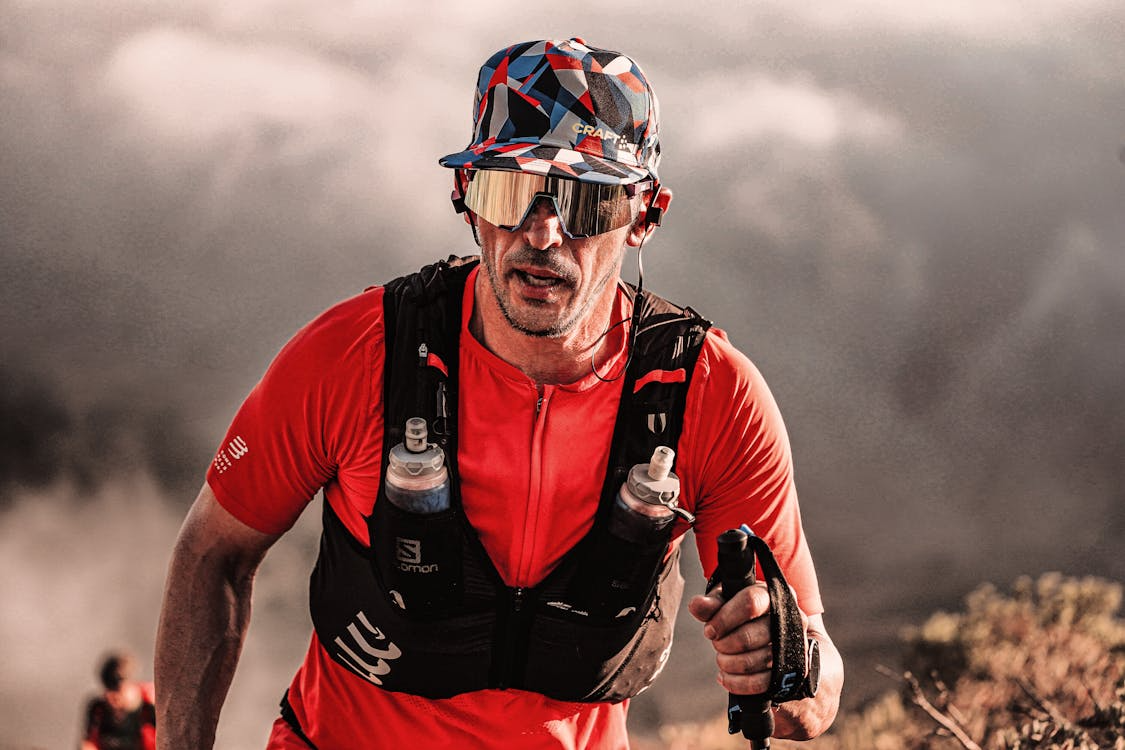
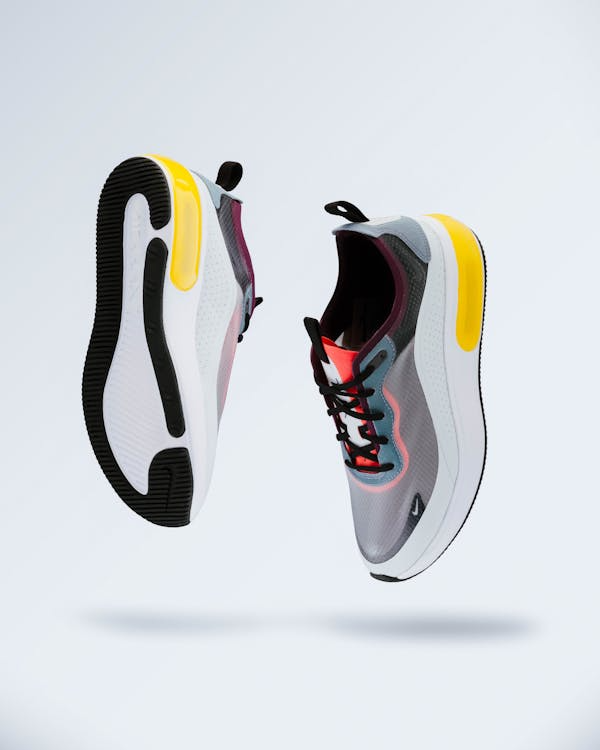
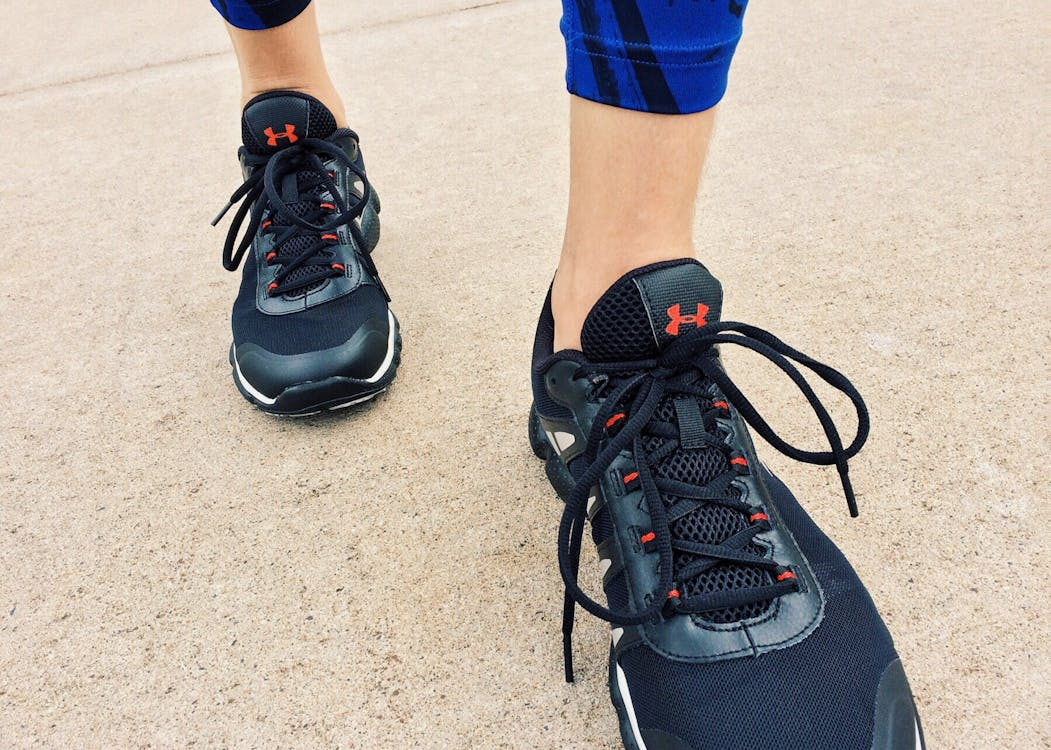
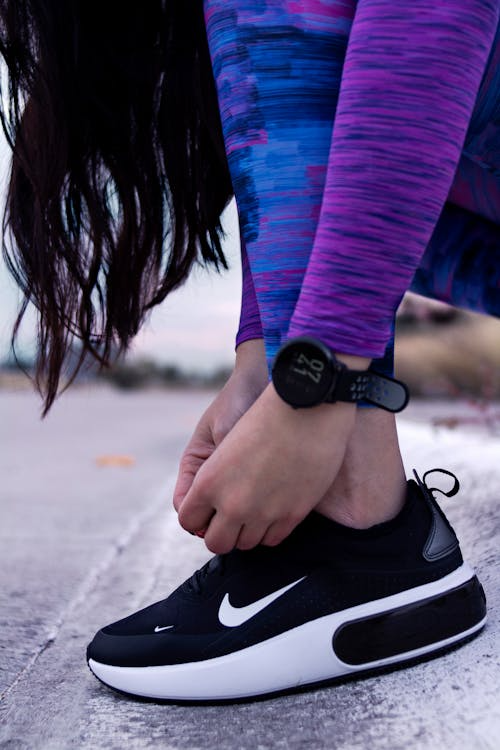
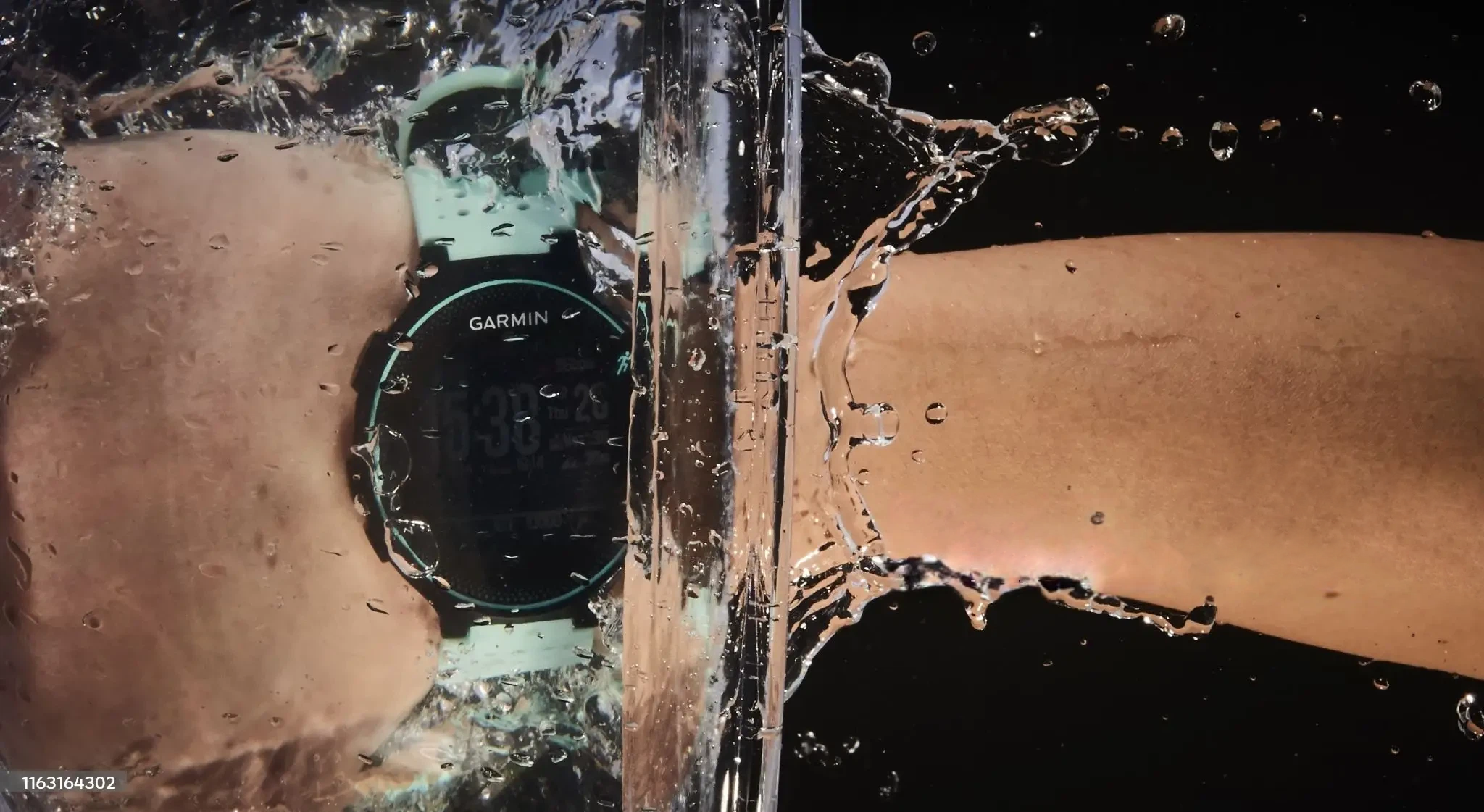
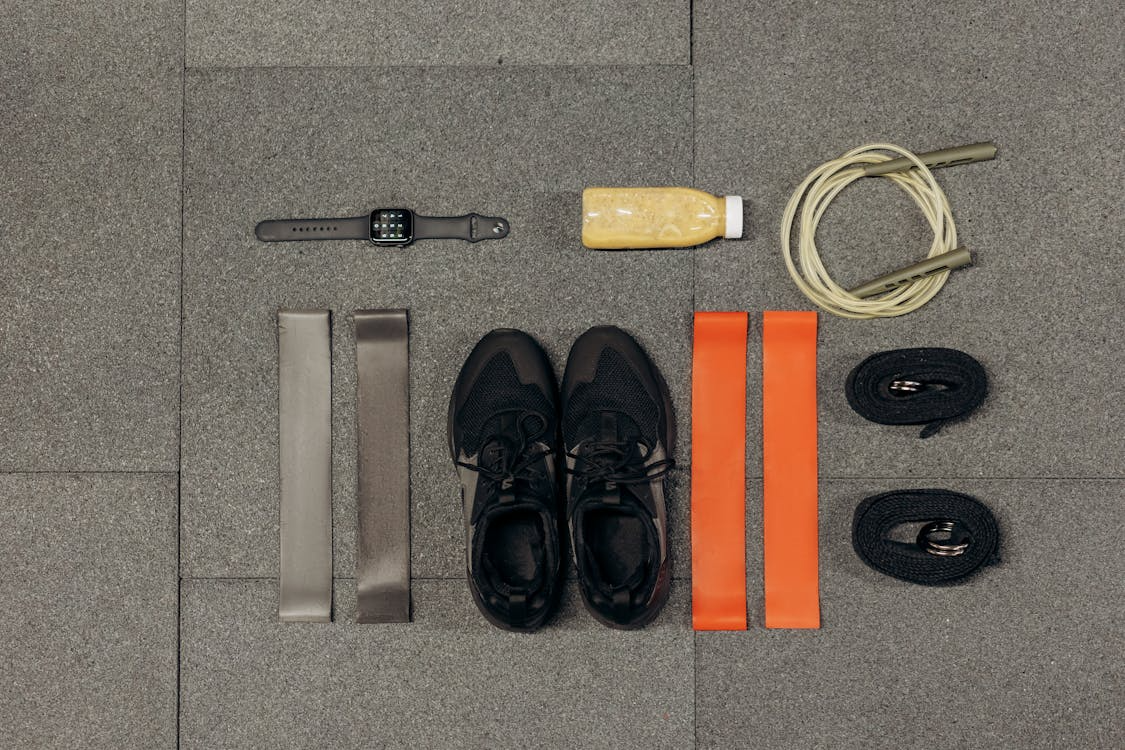
The running gear our editors always wait to buy on sale: training shoes, base layers, and running tights. The gear we pay full price for without hesitation: race-day shoes, GPS watches, and hydration vests we depend on for safety.
The logic behind what's worth waiting for
Every piece of running gear falls into one of two categories: performance-critical and timing-sensitive, or commodity and replaceable. A GPS watch bought on impulse at full price delivers the same training data as one bought during a REI Anniversary Sale at 25% off — the only difference is $100 in your pocket. A race-day carbon plate shoe bought 3 weeks before your marathon at full price is a different calculation: you need time to break it in, the model you've trained in may sell out in your size, and saving $40 matters less than race-day confidence. For the specific gear worth paying full price for, see our [GPS watch editors pick](/gps-running-watch-editors-pick).
Always buy on sale: training shoes
Training shoes go on sale every 90 days through predictable retail cycles. Running Warehouse runs 15–20% site-wide sales quarterly. REI Anniversary Sale (May) and REI Black Friday Sale (November) discount training shoes 20–30%. Road Runner Sports VIP membership ($1.99/month) provides permanent 10% discount plus access to deeper sales. Strategy: identify your training shoe model, set a price alert on CamelCamelCamel (for Amazon) or use Honey browser extension, and buy when the discount hits 25%+.
Always buy on sale: running apparel
Running tights, base layers, and everyday running shirts follow seasonal clearance cycles. End-of-winter (February–March) clears cold-weather apparel at 30–50% off. End-of-summer (August–September) clears heat-management apparel. Lululemon, Tracksmith, and Satisfy don't discount frequently — when they do (Tracksmith's annual Stockroom Sale, Lululemon's We Made Too Much section), buy multiples of what fits. Base layers don't change meaningfully between seasons; buy last season's colorway at half price.
Always pay full price: race-day shoes
Carbon plate race shoes in your target model and size sell out. Hoka Rocket X 2, Nike Vaporfly, Adidas Adizero Adios Pro — popular sizes (men's 9–11, women's 7–9) disappear within weeks of peak marathon season (February–March, September–October). If you're racing in spring, buy your race shoes in January at full price. The risk of waiting for a sale and finding your size gone is higher than the $30–40 you'd save.
Always pay full price: GPS watches you depend on for safety
Trail runners and ultrarunners using GPS for navigation in remote terrain need the specific watch they've trained with and trust. Switching to an unfamiliar watch to save $50 before a mountain ultra creates a navigation risk that makes the savings irrelevant. Buy the watch you've researched, in the configuration you need, when you need it.
Always pay full price: hydration vests for target races
Same logic as race shoes: vest fit is highly individual, popular sizes sell out before peak race season, and breaking in a new vest on race day is a recipe for chafing. Buy your race vest 8–12 weeks before your target event. Train with it at least 4 times before race day. The $30 you save by waiting for a sale doesn't compensate for a pack that bounces or chafes at mile 30.
Content may contain affiliate links. We earn a commission if you purchase through our links, at no extra cost to you.
Join the conversation
- Loading comments…