Why Running Shoes Cost $160 (And When You Should Pay Less)
The price of running shoes isn't arbitrary — but it doesn't mean you should always pay it. Here's what you're actually buying at each price tier.
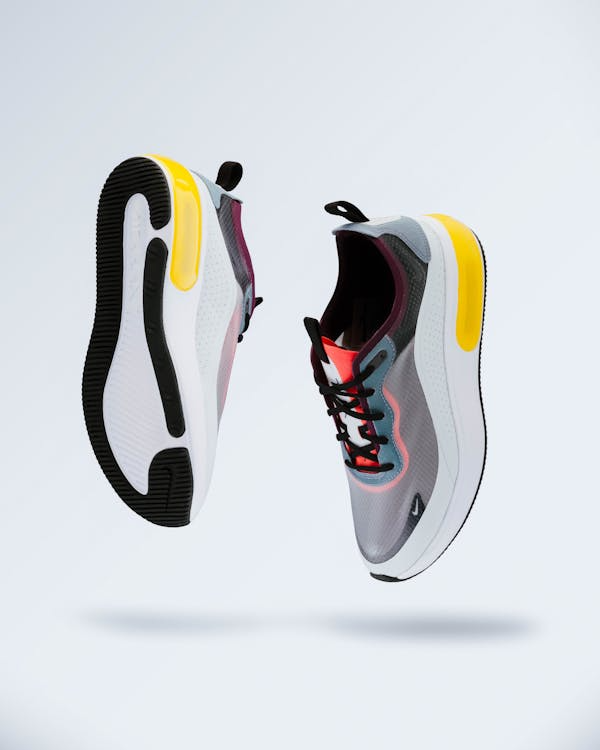
A $160 running shoe costs $160 because of four components: midsole foam technology, upper construction, outsole compound, and brand licensing — and only the first two affect your running. The other two are margin and marketing.
What you're actually paying for in a $160 running shoe
Break down a $160 retail running shoe and the cost stack looks like this: midsole foam (PEBA or TPU compound) accounts for approximately $18–25 of manufacturing cost. Upper mesh and overlays: $8–12. Outsole rubber: $4–6. Assembly labor (Vietnam, Indonesia): $6–9. Freight and import: $4–6. Total landed cost to the brand: $40–58. Retail markup: 2.5–3x. The remaining margin funds R&D, athlete sponsorships, and retail distribution. What this means for buyers: the premium in a $160 shoe over a $90 shoe is almost entirely in the midsole foam — specifically the nitrogen-infused PEBA compounds (Nike ZoomX, Adidas Lightstrike Pro, Hoka PROFLY+) that deliver meaningfully better energy return than standard EVA. For the shoes that justify the premium in our testing, see our [best marathon shoes guide](/best-marathon-shoes-2026).
The four price tiers and what you actually get
**Under $80 — Basic EVA midsole, adequate for easy miles.** Standard compression-molded EVA foam. Adequate cushioning for easy runs under 8 miles. Outsole rubber is thinner and wears faster — expect 300–350 miles. Upper mesh is less engineered — breathability and fit are functional, not optimized. Best for: walkers, new runners under 15 miles per week, gym cross-training. **$80–120 — Improved EVA or entry-level performance foam.** Brooks Ghost ($130, frequently on sale at $90–100), ASICS Gel-Nimbus at discount — these use improved EVA compounds or basic TPU foam that outlasts entry-level models. Outsole rubber compound improves. Best for: recreational runners 15–30 miles per week who don't need racing performance. **$120–150 — Performance EVA, engineered upper, durable outsole.** The sweet spot for most training runners. Hoka Clifton ($140), Brooks Adrenaline GTS ($130) — solid midsole technology, fit systems that work for wider foot types, outsoles that last 400–500 miles. Best for: most runners, most of the time. **$150–200+ — PEBA/nitrogen foam, carbon plate, race-optimized geometry.** Genuine performance premium. Nike Vaporfly ($260), Adidas Adizero Adios Pro ($250), Hoka Rocket X 2 ($225). Energy return measurably higher than EVA at equivalent weight. Best for: runners targeting PR times, racing, and tempo workouts where energy return pays dividends.
When you should pay less than $160
Last season's model of a current shoe. Running brands update models annually — the predecessor to the current Hoka Clifton or Brooks Ghost is structurally identical, uses the same midsole compound, and sells for $60–80 at Running Warehouse and Road Runner Sports when the new model releases. The foam doesn't change between version 15 and version 16. The colorway does. Buy version 15 at version 14 prices.
Are $200+ carbon plate shoes worth it for recreational runners?
For runners targeting sub-4:00 marathon, carbon plate shoes improve finish time by 2–4% in peer-reviewed research — approximately 5–8 minutes on a 4-hour marathon. For runners not targeting specific time goals, the performance benefit doesn't translate to recreational training enjoyment. The foam is exceptional for race day; the carbon plate adds stiffness that makes easy-day training less comfortable than a softer training shoe.
Why do running shoes cost more than casual shoes?
Running shoe midsoles use engineered foam compounds that require specialized injection molding equipment and precise density control. A casual sneaker uses a flat die-cut EVA sheet costing $2–4. A running shoe midsole uses a blown or injection-molded compound costing $15–25. The biomechanical demands of 1,000+ footstrikes per mile at 150–200 lbs of impact force require engineering that casual footwear doesn't attempt.
How long should a $160 running shoe last?
400–500 miles for a well-constructed training shoe at this price point. Signs the shoe is done: midsole compression (press your thumb into the foam — if it doesn't spring back, it's compressed), visible outsole wear through to the midsole, and a noticeable increase in perceived impact during runs. Replace by mileage, not appearance — worn-out running shoes look fine and feel subtly worse, a combination that causes injuries before runners realize the shoe is dead.
Content may contain affiliate links. We earn a commission if you purchase through our links, at no extra cost to you.
Join the conversation
- Loading comments…