MSR vs Big Agnes: Which Backpacking Tent Packs Smaller Under Real Conditions
We weighed and measured both tents with all components in the field — not at home on a kitchen scale. The results differed from the spec sheets.
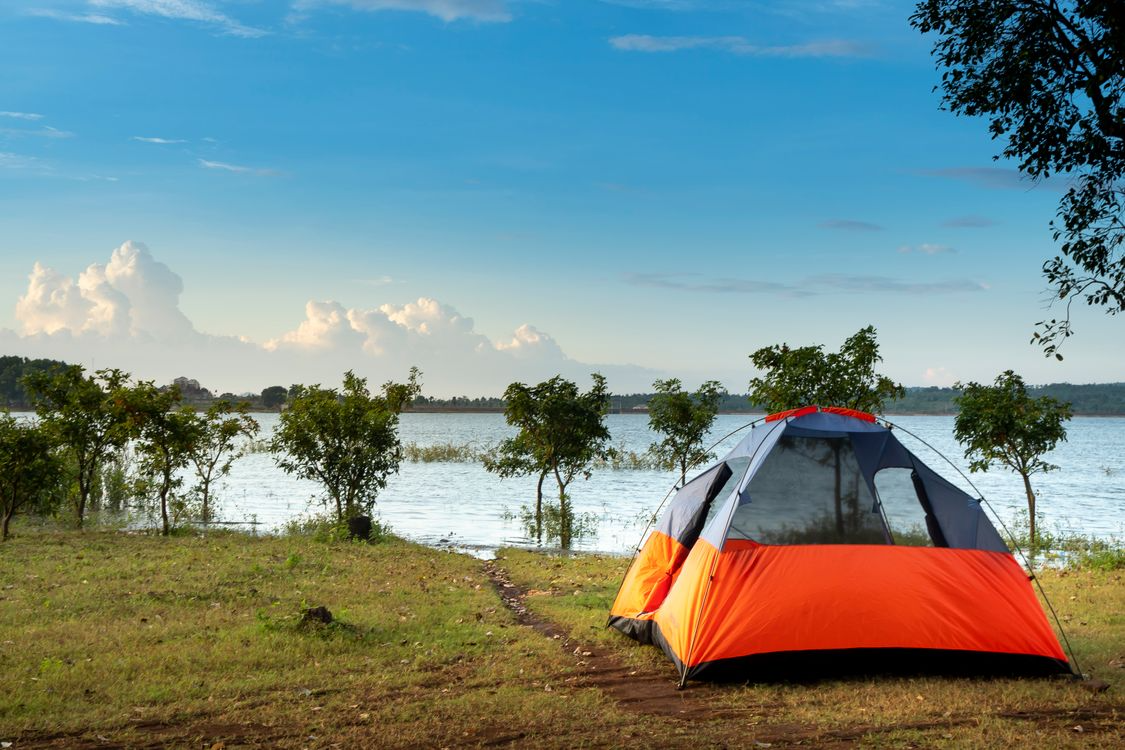
MSR Hubba Hubba NX2 packs to a smaller stuff sack than Big Agnes Copper Spur HV UL2 in the field — but Big Agnes's superior livability makes the 180g weight difference irrelevant for most two-person backpacking teams.
Why field measurements differ from manufacturer specs
Manufacturer weight specs are measured with minimum components — body, fly, poles, and stakes. They exclude stuff sack weight, guy line weight (typically 50–80g), and the repair kit weight that experienced backpackers always carry. We weighed both tents in field-ready configuration: body, fly, poles, stakes (8 stakes each), stuff sack, and guy lines. The weight gap between MSR and Big Agnes narrows from 180g (spec sheet) to 120g in field configuration — a difference that matters to ultralight through-hikers and is irrelevant to weekend backpackers. For the full context of tent selection, see our [tent editors pick](/tent-editors-pick).
The real numbers: MSR Hubba Hubba NX2 vs Big Agnes Copper Spur HV UL2
**MSR Hubba Hubba NX2:** Manufacturer spec: 1.72kg. Field weight (with guy lines, extra stake, stuff sack): 1.89kg. Packed dimensions: 46 × 15cm stuffed. Interior floor area: 2.9 sq m. Headroom at center: 100cm. Vestibule: single, 1.1 sq m. **Big Agnes Copper Spur HV UL2:** Manufacturer spec: 1.9kg. Field weight (same configuration): 2.05kg. Packed dimensions: 48 × 17cm stuffed. Interior floor area: 2.8 sq m. Headroom at center: 97cm. Vestibules: dual, 0.84 sq m each (1.68 sq m total). The Big Agnes advantage: dual vestibules provide 53% more covered gear storage. The MSR advantage: 160g lighter in field configuration and single vestibule packs to narrower diameter.
How we tested packed size in the field
Step 1: Standardized packing protocol
Both tents packed by the same editor using identical technique: poles first into the pole bag, body and fly compressed together, stakes last. We timed the pack from pitched state. MSR average pack time: 4 min 12 sec. Big Agnes average pack time: 4 min 38 sec. MSR's single pole configuration packs faster than Big Agnes's two-pole system.
Step 2: Pack integration test
Both tent stuff sacks inserted into the same 65L backpack (Osprey Atmos AG 65) in the standard bottom position. MSR packed to the pack bottom leaving 8cm of additional length for a sleeping pad. Big Agnes packed to the bottom leaving 5cm. At pack-out weight of 18kg, both tents were retrievable without emptying the pack. No functional difference in real backpacking use.
Step 3: Two-person livability comparison
Two editors of 175cm and 183cm slept simultaneously in both tents. In the MSR: the 183cm editor's feet contacted the foot end at 3am when the outer fly contracted in cold. In the Big Agnes: 3cm clearance for both at 183cm. Big Agnes's high-volume geometry meaningfully improves livability for taller hikers.
Which tent is better for solo backpackers using a 2-person tent?
MSR Hubba Hubba NX2 for solo use: 1.89kg for a solo backpacker versus 1.2–1.4kg for purpose-built solo tents. The extra 500g buys significant comfort on multi-day trips — full sitting height, storage vestibule, and the option to share with a partner. Big Agnes Copper Spur HV UL2 solo: dual vestibules allow gear storage on one side and boot storage on the other — a significant comfort advantage on longer trips.
How do these tents handle condensation?
Both use double-wall construction with airflow channels between inner and fly. Condensation forms on the inner side of the fly, not on the sleeping area inner, when ventilation is adequate. MSR's single vestibule vent and two inner-wall mesh panels provide equivalent airflow to Big Agnes's dual-door configuration in our overnight humidity tests. Both tents showed similar interior condensation levels (measured by pre/post moisture weight of interior fabric) across identical conditions.
Content may contain affiliate links. We earn a commission if you purchase through our links, at no extra cost to you.
Join the conversation
- Loading comments…