Hiking Poles: Do You Actually Need Them and What Length Is Right
Most day hikers skip poles. Most long-distance hikers won't hike without them. Here's the evidence on when they help and how to size them.
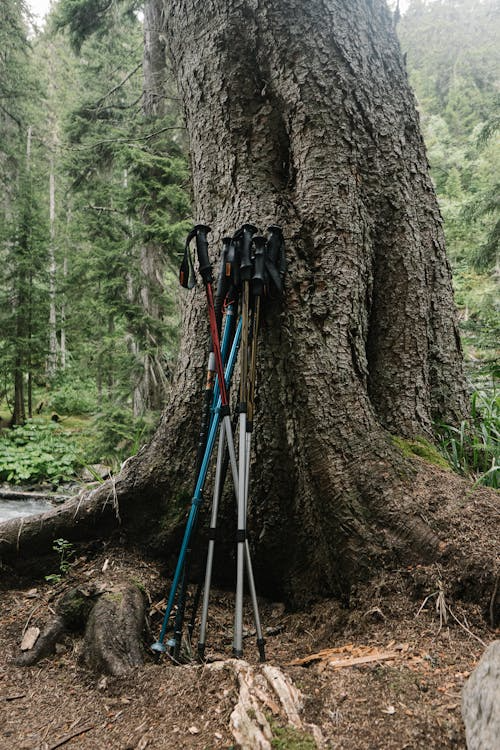
Hiking poles reduce knee joint loading by 20–25% on descents — the single most evidence-backed benefit in trekking gear — making them worth carrying for any hike with more than 1,500 feet of descent, regardless of fitness level.
The evidence on hiking poles: what they actually do
Biomechanics research published through 2024 shows consistent results: trekking poles reduce compressive force on the knee joint by 20–25% on descents when used with active pole plant technique. The mechanism: pole plants shift weight-bearing partially to the upper body, reducing the eccentric quad contraction that creates knee stress on downhill steps. Secondary benefits include improved balance on technical terrain, reduced fatigue on long approaches, and psychological confidence on exposed ridges. For day hikers on moderate trails: marginal benefit. For backpackers with 40+ lb packs on sustained descents: meaningful injury prevention. For hikers with existing knee issues: poles are the single most impactful non-medical intervention available. For gear to complement poles on technical terrain, see our [hiking boot blister prevention guide](/hiking-boots-blisters-fix).
Sizing hiking poles: the 90-degree elbow rule
Stand upright with your arm at your side. Bend your elbow to 90 degrees — your hand should be at the same height as the pole grip when the pole tip is on flat ground. This positions the pole for efficient flat-ground use. For sustained steep descents: lengthen poles 5–10cm to maintain the 90-degree angle on steeper terrain. For sustained steep climbs: shorten 5–10cm to reduce the range of motion required for each pole plant uphill. Most adjustable poles have marked length indicators — start at the 90-degree calculation and adjust by terrain.
Carbon fiber vs aluminum poles: which should you buy?
Carbon fiber (Black Diamond Distance Carbon, Leki Micro Vario Carbon): lighter (200–240g per pole vs 280–330g for aluminum), absorbs vibration better — reduces hand and wrist fatigue on rocky terrain. Breaks catastrophically under lateral stress — sidefall on a pole planted in rock can snap a carbon pole. Price: $120–200 per pair. Aluminum (Black Diamond Trail, Leki Makalu): heavier but bends rather than breaks — survives sidefall that would snap carbon. Price: $50–120 per pair. Recommendation: carbon for through-hikers and ultralight backpackers who use poles every day and manage them carefully. Aluminum for occasional hikers, mixed terrain, and anyone who's broken a carbon pole and doesn't want to repeat the experience.
Fixed-length vs adjustable poles: the tradeoff
Fixed-length poles (one-piece carbon): lightest possible weight, no adjustment mechanism to fail. Require correct sizing before purchase. Best for: experienced hikers who know their preferred length and hike consistent terrain. Adjustable poles (2 or 3 sections): add 20–40g of mechanism weight but allow length changes mid-hike and pack smaller for travel. Best for: most hikers, especially those on varied terrain or traveling by air.
What grip material is best for hiking poles?
Cork grips: most comfortable for sweaty hands — cork absorbs moisture and molds slightly to hand shape over time. Best for warm-weather, high-output hiking. Foam grips: lightest, warmest in cold conditions, absorbs moisture but deteriorates faster than cork. Rubber grips: durable, warm in cold weather, uncomfortable when wet and sweaty in warm conditions — best for cold/wet environments. Our recommendation: cork grip poles for three-season use, rubber or foam for winter mountaineering.
Do hiking poles help with balance on scrambles?
Yes, but with caveats. On class 2–3 terrain (hands occasionally needed), poles can be collapsed and clipped to pack in seconds — most backpacking poles have a clip system for this purpose. Keeping poles deployed on class 2 terrain with large boulder steps improves stability and reduces energy expenditure. On class 3+ terrain requiring both hands: collapse and stow. The 10-second stow time means poles are worth deploying even on routes with technical sections.
Content may contain affiliate links. We earn a commission if you purchase through our links, at no extra cost to you.
Join the conversation
- Loading comments…