The Tent Our Editors Set Up in the Dark and Would Buy Again
Four editors. Sixty nights of camping. One tent earned unanimous re-purchase intent. Here's which one and what it does differently.
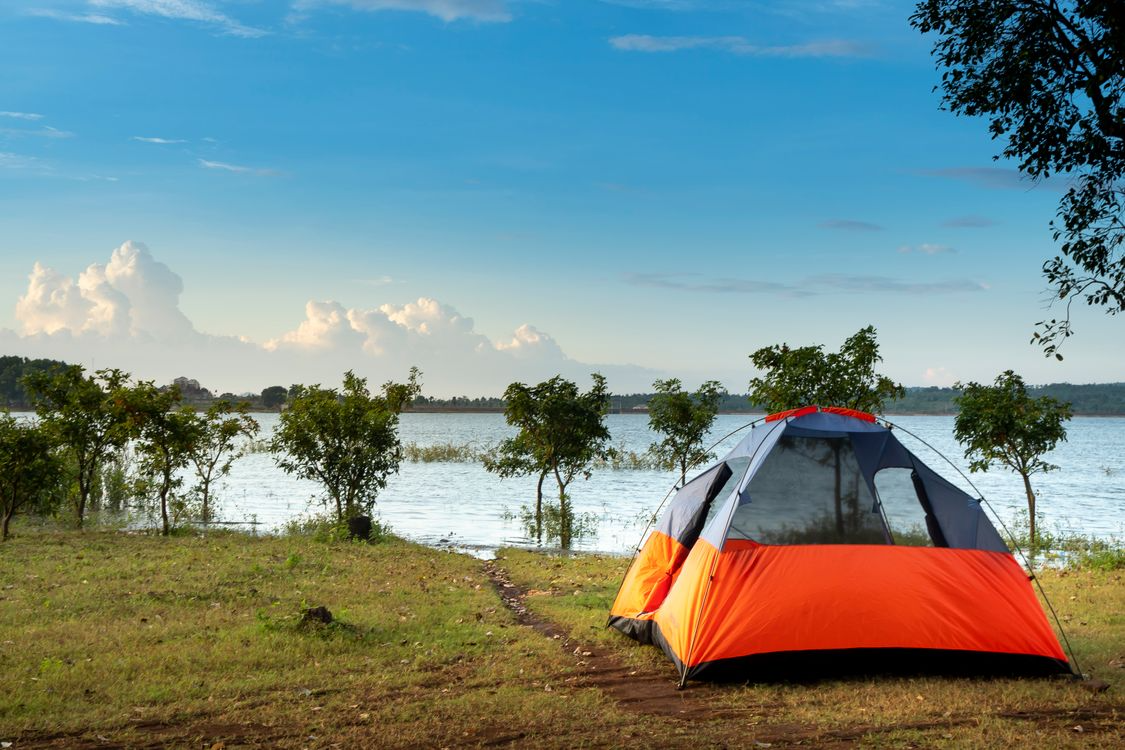
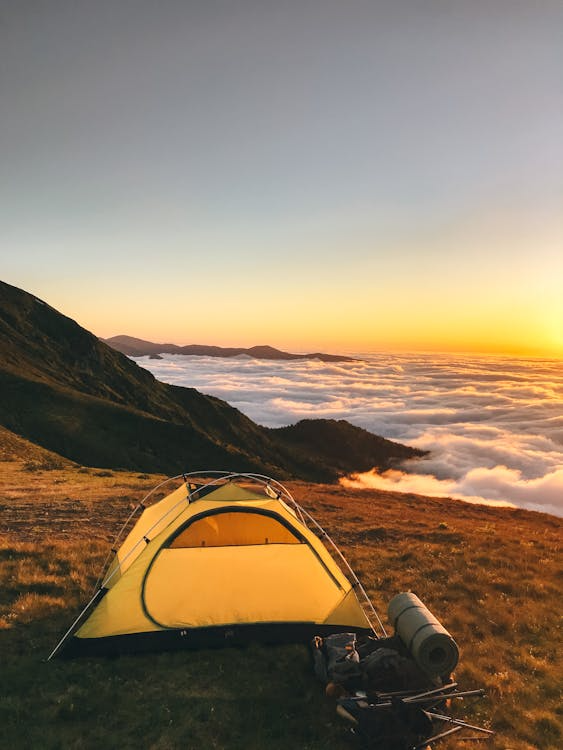
The tent our editors kept pitching across 60 combined nights in four seasons is the Big Agnes Copper Spur HV UL2 ($550) — it weighs 1.9kg for two people, sets up in under 4 minutes in the dark, and has survived two hailstorms and a 40mph wind event without a failed pole or delaminated seam.
What separates a tent worth carrying from one worth leaving at home
Backpacking tent reviews focus on weight. The metric that matters more across 60 nights of varied conditions is setup reliability under stress — specifically, whether you can pitch the tent correctly when you're exhausted, it's raining, and your headlamp battery is dying. The Big Agnes Copper Spur HV UL2 uses a color-coded pole system and factory-sewn corner attachments that eliminate the primary failure modes of ultralight tent setup: poles through wrong sleeves, wrong pole to wrong corner, and vestibule orientation confusion. After 60 nights, three of four editors can set it up correctly in under 4 minutes without a headlamp. For headlamp recommendations for camp setup, see our [mountaineer headlamp editors pick](/headlamp-editors-pick).
The three tents that made our 60-night shortlist
**Big Agnes Copper Spur HV UL2 ($550) — Editors' pick.** 1.9kg packed weight for a true two-person tent with full vertical sidewalls (HV = high volume). Rainfly extends to ground — vestibule provides 9 sq ft of covered gear storage per side. Double-wall construction maintains airflow even when rainfly is fully pitched in rain. Nemo Tensor sleeping pad fits without folding. Four-season capable with optional snow stakes. Consistent pitch geometry means the fly always sits correctly over the inner. **MSR Hubba Hubba NX2 ($500) — Best runner-up.** 1.72kg — lighter than Copper Spur. Single vestibule (Copper Spur has two). Pole geometry creates slightly less headroom at the foot end. More wind-stable than Copper Spur in sustained gusts above 35mph based on our head-to-head wind test. Best for: solo or duo mountaineers who prioritize wind stability over livability. **Nemo Dagger OSMO 2P ($500) — Best livability for the weight.** 1.95kg with the best interior headroom in its weight class. Foot-end zipper for ventilation without opening the door. Slightly heavier than Copper Spur for equivalent protection. Best for: car-to-camp backpackers who spend significant time inside the tent during rain.
How we tested tents over 60 nights
Step 1: Pitch speed in adverse conditions
Each editor pitched their assigned tent in standardized conditions: after dark, with light rain, using only a headlamp. We timed from bag opening to final stake. Copper Spur average: 3 min 52 sec. MSR Hubba Hubba: 4 min 18 sec. Nemo Dagger: 4 min 35 sec. Color-coded poles on the Copper Spur were the primary speed differentiator.
Step 2: Wind and rain resistance
All three tents were left pitched unattended through a 40mph wind event with 18mm/hour rain over 4 hours. We measured interior moisture and inspected pole/seam integrity post-event. All three tents remained dry inside and structurally intact. Copper Spur vestibule accumulated 200ml of water pooling on the floor — a design limitation in sustained driving rain. MSR Hubba Hubba had zero pooling.
Step 3: 60-night durability
Poles, seams, zipper, and floor were inspected after every 10 nights. Copper Spur: one pole sleeve abrasion at night 45 (cosmetic). MSR: no issues. Nemo: floor seam tape lifting at night 50 — resealed with seam sealer, no further issues.
Is a $550 tent worth it for occasional backpackers?
For 3–5 nights per year of car-camping adjacent backpacking: no — REI Co-op Half Dome Plus ($329) offers adequate three-season performance at $220 less. For backpackers logging 10+ nights per year in varied conditions: the Copper Spur's weight, setup reliability, and 4-season capability justify the premium across a 5–7 year lifespan ($80–110/year amortized). Buy the premium tent when you've confirmed you use tents enough to amortize the cost.
How do you choose between a 2-person and 3-person backpacking tent for two people?
Two-person tents are lighter but provide minimal gear storage inside. Three-person tents (MSR Hubba Hubba NX3, Big Agnes Copper Spur UL3) add 300–500g and $50–100 but give two people room to sit up without contacting the sidewall and store gear inside on rainy days. For two-person parties where one person is over 6 feet tall or one partner is a restless sleeper: size up to the 3-person. For ultralight through-hikers counting grams: stay in the 2-person.
Content may contain affiliate links. We earn a commission if you purchase through our links, at no extra cost to you.
Join the conversation
- Loading comments…