Your Hiking Pack Destroys Your Shoulders After 8 Miles. Here's Why
Shoulder pain from a backpack is almost always a fit problem — not a pack problem. Here's the three-adjustment protocol that fixes it.
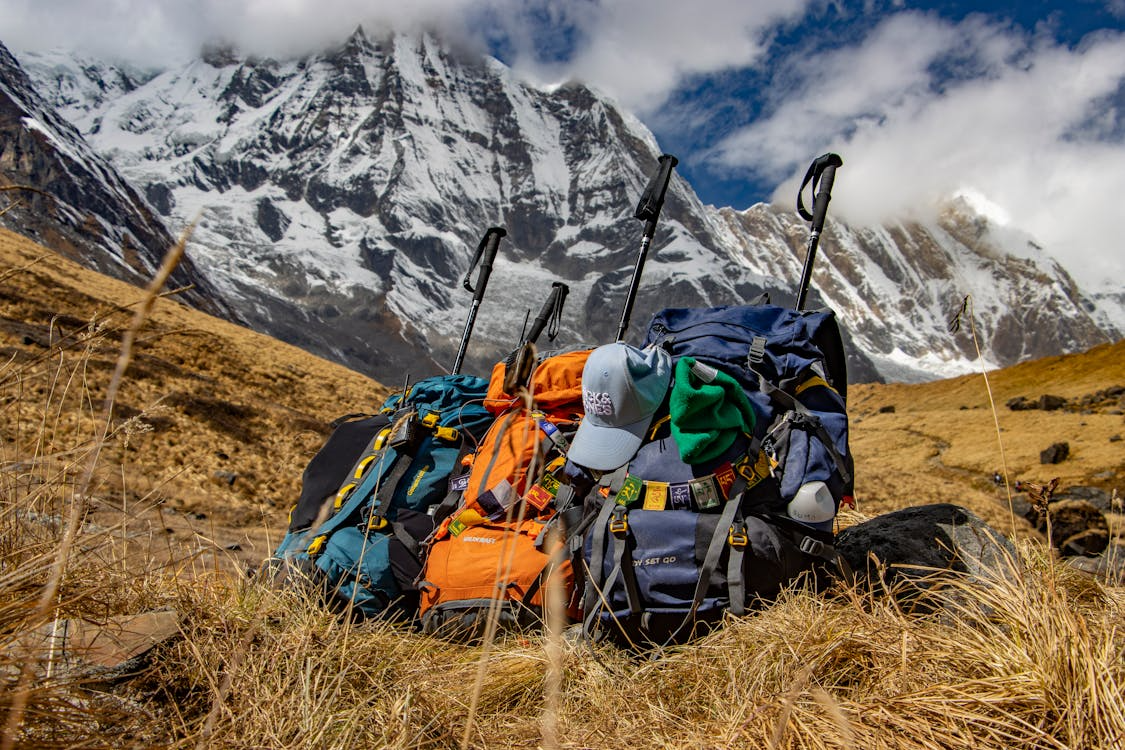
Shoulder pain from a backpacking pack is caused by weight distribution failure — specifically, the hip belt not carrying 70–80% of pack weight — and the fix is a 4-minute fit adjustment, not a new pack.
Why shoulder pain is almost never the pack's fault
The shoulder harness on a backpacking pack is designed to stabilize the load, not carry it. Hip belts are designed to carry 70–80% of pack weight through the iliac crest (the top of the hip bone). When the hip belt sits too low (on the upper thigh instead of the iliac crest) or is insufficiently tightened, weight transfers to the shoulder straps — producing the burning across the trapezius that most backpackers attribute to the pack itself. We've seen runners with $600 Osprey packs suffering shoulder pain that resolved in 5 minutes of fit adjustment. For the pack that earned our long-term recommendation, see our [Osprey Atmos AG review](/osprey-atmos-ag-65-review).
Step 1: Set hip belt position correctly
Load the pack to trail weight. Stand upright and loosen all straps. Place the hip belt on your iliac crest — the curved top of your hip bone, approximately at navel height. The center of the hip belt padding should sit directly on the iliac crest, not above or below. Tighten the hip belt until snug — you should feel the belt engaging the bone, not floating on soft tissue. Test: jump lightly — the pack should move with your body, not oscillate independently.
Step 2: Adjust shoulder straps to remove pressure
With hip belt correctly positioned, pull the shoulder straps snug — they should follow the curve of your shoulders with a 1–2 finger gap between your shoulder and the strap at the top. The load lifter straps (diagonal straps from the shoulder strap to the pack top) should form a 45-degree angle — if they're pulling vertically, the torso length is too long; if they're flat or pulling backward, the torso length is too short.
Step 3: Tighten sternum strap and load lifters
The sternum strap positions the shoulder straps to prevent them from sliding off rounded shoulders — tighten until the straps are stable, not until the sternum strap is tight across your chest. Over-tightened sternum straps restrict breathing and don't improve weight distribution. Load lifters: tighten until the 45-degree angle is achieved. Over-tightened load lifters pull pack weight onto your neck — the most common over-adjustment mistake.
How do you know if a pack's torso length is wrong for your body?
Short torso (under 16 inches): standard packs sit too high, placing shoulder strap attachment points above your shoulders and load lifters in a near-vertical angle. Fix: use a pack with adjustable torso length (Osprey Atmos, Gregory Baltoro) set to the shortest position, or a women's-specific pack designed for shorter torso lengths. Long torso (over 20 inches): standard packs sit too low, with hip belt dropping below the iliac crest. Fix: maximum torso length adjustment or tall-specific fitting.
Does pack weight cause shoulder pain regardless of fit?
At correctly fitted packs carrying over 35% of body weight, shoulder discomfort is normal — the load exceeds what hip belt transfer can fully compensate. The threshold for unavoidable shoulder engagement: approximately 25–28 lbs for a 150 lb hiker. Above this threshold, shoulder padding quality (Osprey AG suspension, Gregory Response) matters. Below this threshold, correct fit eliminates shoulder pain entirely.
What is the correct pack weight for backpacking?
Base weight (everything except food, water, and fuel) under 15 lbs is the ultralight threshold. Total pack weight including consumables: under 30 lbs is the sweet spot for most 3–7 day trips. Above 35 lbs, shoulder discomfort is likely regardless of fit quality, and pace slows significantly. Cut weight by targeting the heaviest single items first: tent, sleeping bag, and sleeping pad account for 60–70% of base weight in most hikers' kits.
Content may contain affiliate links. We earn a commission if you purchase through our links, at no extra cost to you.
Join the conversation
- Loading comments…