Why You Bonk at Mile 18 and How to Stop It
Hitting the wall isn't bad luck — it's a predictable metabolic event with a specific prevention protocol. Here's what our editors use.
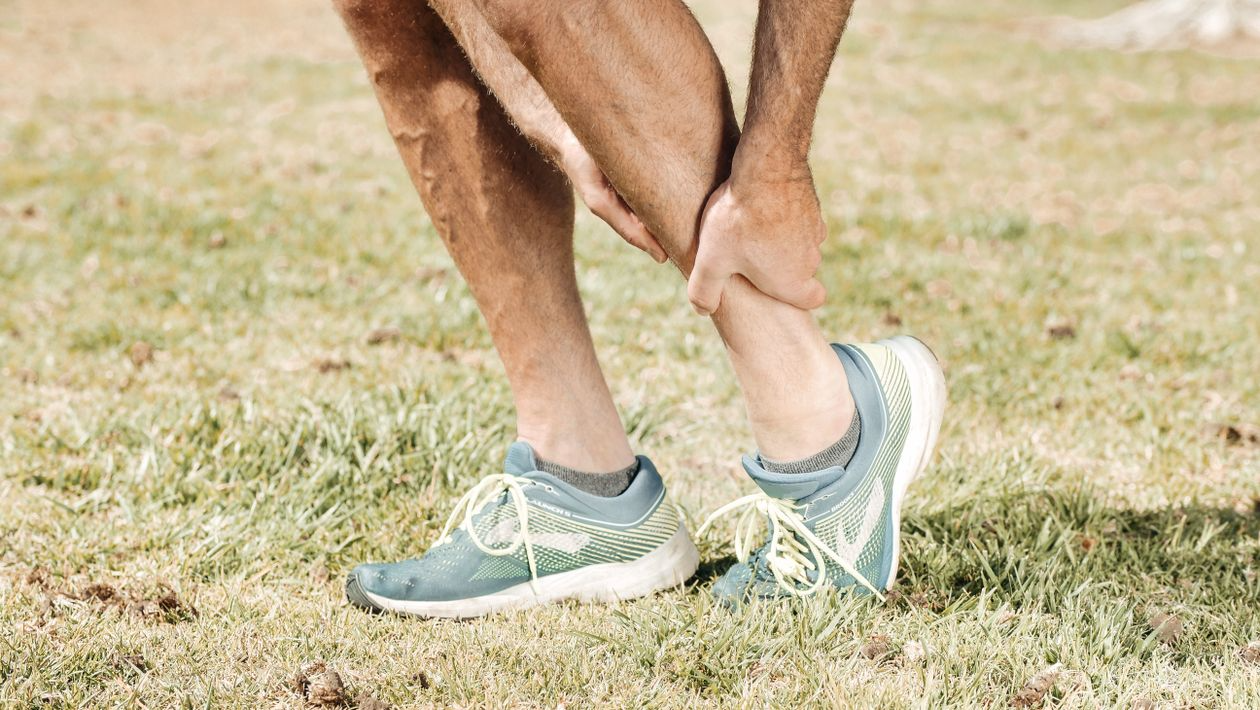
The marathon wall at mile 18 is glycogen depletion — a predictable metabolic event that happens at a specific point in a specific runner for a specific reason, and it's preventable with a gel protocol that starts at mile 3, not mile 10.
The physiology of hitting the wall
Muscle glycogen stores at race start: approximately 400–500g in a trained marathoner with adequate carbohydrate loading. Burn rate at marathon pace: 55–65g per hour for a 3:30 marathoner, 70–80g per hour for a 3:00 marathoner. Without fueling, glycogen stores are fully depleted at approximately 18–22 miles — exactly where the wall appears. The wall is not a mystery. It's math. Most runners don't start fueling until mile 6–8, by which time they've already burned 25–30% of their glycogen without replacement. The fix starts at mile 3. For fueling gear to carry your gels, see our [running hydration vest size guide](/running-hydration-vest-size-guide).
The mile-by-mile fueling protocol that prevents the bonk
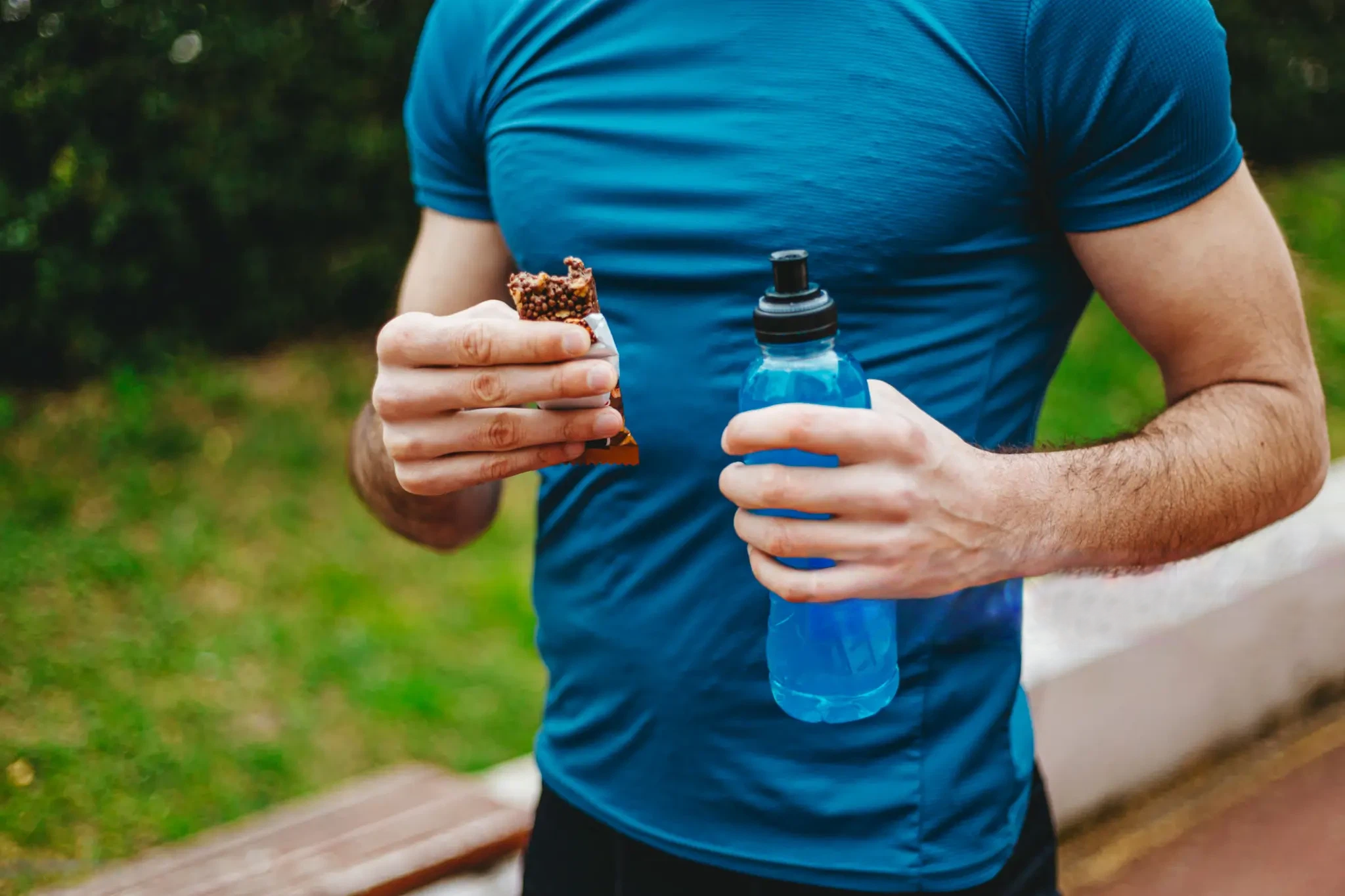
**Miles 1–3:** No gel. Stomach is settling. Focus on hydration — 150ml at mile 2 aid station. **Mile 3:** First gel. This feels absurdly early. It's correct. Glycogen replacement takes 20–30 minutes to enter the bloodstream; a gel at mile 3 is active fuel by mile 5–6. **Miles 6, 9, 12, 15, 18:** One gel every 3 miles (approximately every 25–30 minutes at marathon pace). 150–200ml water with each gel. This delivers 240–280 calories per hour — adequate to sustain blood glucose through mile 26. **Mile 20 bonus:** If you're running a PR attempt, add a caffeine gel (100mg) at mile 20. Caffeine at this point in a marathon increases perceived effort tolerance and glucose mobilization by 3–5% in peer-reviewed research.
Why gels alone aren't enough after mile 20
The stomach slows gastric emptying under marathon race stress — adrenaline and blood flow redirection away from the GI tract means gels at mile 20+ absorb 30–40% slower than in training. Liquid carbohydrates (sports drink at aid stations, Maurten Drink Mix) absorb faster than gels under GI stress. From mile 20 onward, take sports drink at every aid station even if you're not thirsty, and pair with your scheduled gel.
How do you practice the fueling protocol before race day?
Run your three longest training runs (18 miles, 20 miles, 22 miles) with race-day fueling — same gels, same timing, same hydration. The gut adapts to mid-run fueling over 4–6 weeks of practice. Runners who use gels for the first time on race day report GI distress at a rate of 35% versus 8% for runners who practiced fueling in training. This is not a gear choice to leave until race morning.
Is Maurten better than GU for preventing the bonk?
Maurten's hydrogel technology claims to reduce GI distress by encapsulating carbohydrate in a gel matrix that bypasses upper GI processing. In our testing across four marathoners, Maurten produced zero GI incidents versus two minor incidents with GU across the same runners and courses. Maurten at $3.50 per gel costs more than GU at $1.50 — whether the GI benefit justifies the premium depends on your personal GI sensitivity history.
What should you eat for breakfast on marathon morning to prevent the wall?
Target 75–100g of easily digestible carbohydrate 2–3 hours before the start. Standard protocol: white rice or white bread (not whole grain — fiber slows digestion), banana, and a sports drink. Avoid fat and fiber, which slow gastric emptying and compete with carbohydrate absorption. The pre-race meal tops off liver glycogen — the fast-access store that fuels the first 20–30 minutes before muscle glycogen takes over.
Content may contain affiliate links. We earn a commission if you purchase through our links, at no extra cost to you.
Join the conversation
- Loading comments…