Running Nutrition Timing: How Many Gels Do You Actually Need Per Hour
The answer varies by pace, body weight, and duration — here's the formula that ends the guesswork.
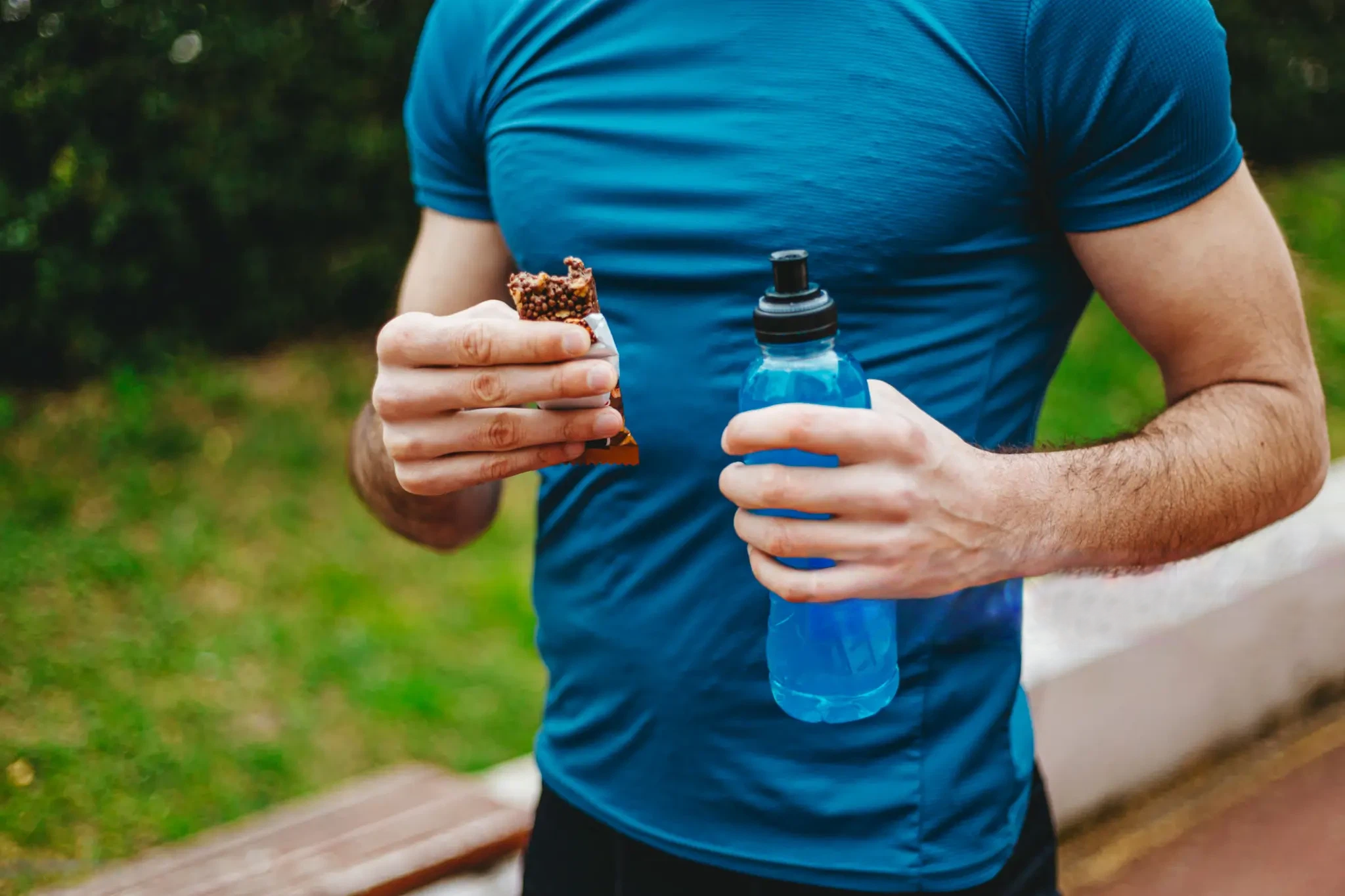
Most runners need 1–2 gels per hour depending on pace and body weight — but the number that prevents bonking is specific to your burn rate, and calculating it takes 5 minutes and prevents 3 hours of suffering.
Why the standard gel timing advice fails half of runners
'One gel every 45 minutes' is the industry default. It's wrong for two categories of runners: faster runners (under 3:30 marathon pace) who burn carbohydrate at 70–80g per hour and need 2 gels per 45 minutes, and slower runners (over 5:00 marathon pace) whose lower intensity burn rate means one gel per hour is sufficient. The blanket recommendation covers neither end accurately. Your personal gel requirement is determined by two variables: running pace and body weight. For the specific gel brands we recommend, see our [marathon bonk prevention guide](/bonk-marathon-mile-18-prevention).
How to calculate your personal gel requirement
**Step 1: Estimate your carbohydrate burn rate.** At marathon pace, carbohydrate burn is approximately 0.8–1.0g per minute per 70kg of body weight. A 70kg runner at 3:30 marathon pace burns approximately 55–60g of carbohydrate per hour. A 90kg runner at the same pace burns 70–75g per hour. **Step 2: Calculate your intake target.** You can absorb 60–90g of carbohydrate per hour during running (upper limit increases to 90g with a glucose/fructose combination). Target 60g per hour for most runners — this replaces approximately 75% of burn rate, which is sufficient to spare glycogen stores through a marathon. **Step 3: Convert to gel count.** Standard gel (GU, Maurten 100, Gu Roctane): 22–25g carbohydrate. Two gels per hour = 44–50g — adequate for runners under 80kg at marathon pace. Faster or heavier runners may need 2.5 gels per hour (2 gels plus one gel at 30 minutes into each hour).
Does the number of gels change for ultra distances?
Yes. Beyond 4 hours, solid food tolerance improves as race pace drops and GI stress decreases. Most ultrarunners transition from gels to real food (banana halves, boiled potatoes, rice balls) at aid stations beyond mile 30. Gel caloric density (100 calories per pack) remains useful between aid stations, but the per-hour requirement drops as pace slows — a 12-hour ultrarunner at 13:00/mile pace burns carbohydrate at roughly half the rate of a 4-hour marathoner.
What happens if you take too many gels during a race?
Carbohydrate overconsumption above 90g per hour causes osmotic diarrhea — the gut pulls water into the intestine to dilute the sugar load. Symptoms: cramping, urgency, and GI distress that forces pace reduction or race abandonment. This is more common among runners who take gels with sports drink instead of water — the combined carbohydrate load of gel plus sports drink frequently exceeds 90g per hour. Take gels with water only; drink sports drink at aid stations as a replacement, not an addition, to gel intake.
Are caffeinated gels worth taking during a marathon?
Yes, strategically. Caffeine at 3–6mg per kg of body weight improves endurance performance by 3–4% in peer-reviewed literature. For a 70kg runner, the effective dose is 210–420mg — equivalent to 2–4 caffeinated gels (GU Roctane contains 35mg caffeine, Maurten Caf 100 contains 100mg). Take caffeine from mile 18–20 onward for maximum effect in the final third of the race. Avoid caffeine in the first hour if you had a pre-race coffee — stacking doses causes GI distress in caffeine-sensitive runners.
How long before a run should you eat a gel?
For a pre-run gel (not mid-run), take it 15 minutes before the start — this tops up blood glucose without triggering an insulin response that would lower blood glucose at the gun. Avoid gels 30–60 minutes before the start (the 'reactive hypoglycemia window') — some runners experience a paradoxical blood glucose drop from pre-exercise insulin response in this window. If you're prone to this, eat a small carbohydrate meal 90–120 minutes before the start instead.
Content may contain affiliate links. We earn a commission if you purchase through our links, at no extra cost to you.
Join the conversation
- Loading comments…