How to Use a Heart Rate Monitor to Actually Run Slower
Most runners use HR data to push harder. The research says the opposite approach builds more fitness. Here's the framework.
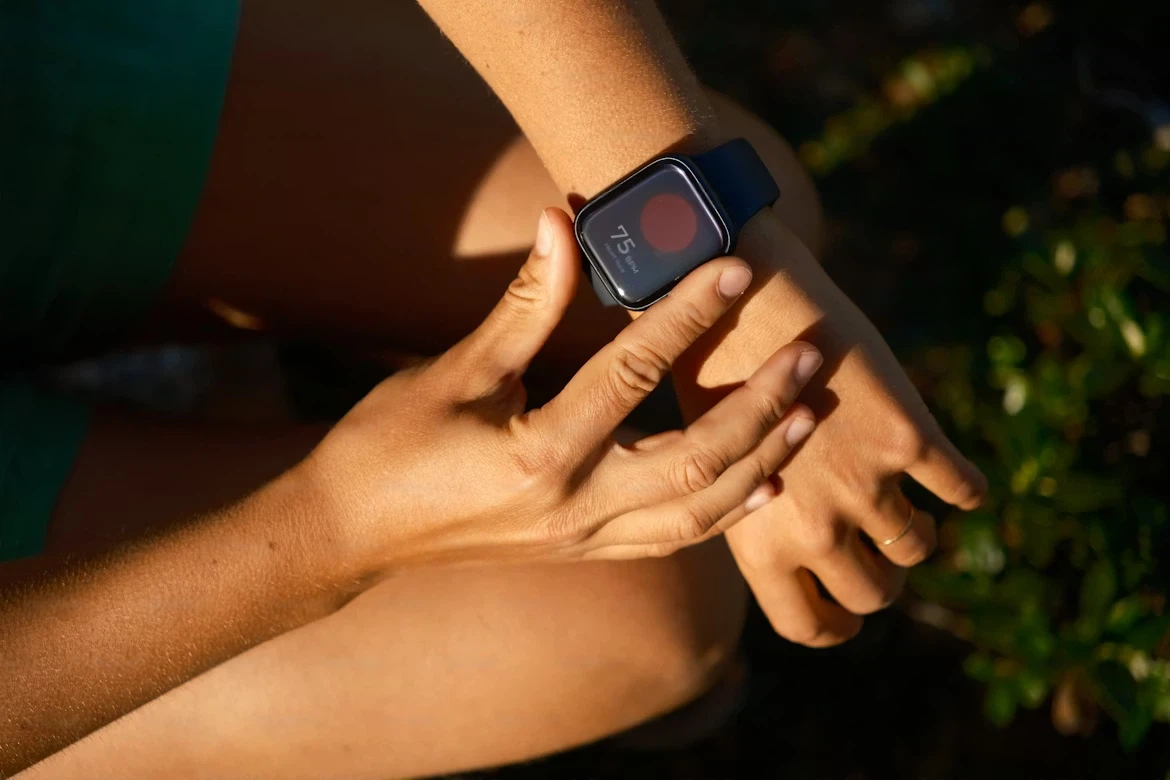
The most counterintuitive thing a heart rate monitor tells most runners is that their easy runs are 20–30 beats per minute too fast — and slowing down to the data produces measurably better fitness outcomes within 8 weeks.
Why runners use HR data wrong
Heart rate monitors sold fitness on the promise of working harder. The research since 2018 consistently shows the opposite benefit: using HR data to enforce genuinely easy effort on easy days — Zone 2, below 75% of max HR — produces greater aerobic base development than running easy days at moderate effort. The problem is that Zone 2 feels embarrassingly slow for most trained runners. An athlete with a max HR of 185 bpm should run easy days below 139 bpm. In practice, most run easy days at 155–165 bpm — Zone 3, moderate aerobic — which provides less mitochondrial adaptation stimulus per hour than true Zone 2. For watch recommendations that measure HR accurately, see our [GPS watch editors pick](/gps-running-watch-editors-pick).
Step 1: Find your actual Zone 2 ceiling
Zone 2 is defined as below the first ventilatory threshold — the point at which you can no longer speak in full sentences without pausing. Do not use the standard 220-minus-age formula; it's accurate only within ±12 bpm for 68% of the population. Field test: run at increasing pace increments of 30 seconds per mile. The pace at which you can no longer complete a full sentence without pausing is your Zone 2 ceiling. Record the corresponding HR. Most trained runners find this is 10–20 bpm lower than their typical easy day HR.
Step 2: Run every easy day below your Zone 2 ceiling
This will feel too slow. You will be passed by runners you normally beat. Your GPS watch will show a pace that feels like jogging. This is correct. Elite marathon training programs (Renato Canova, Jack Daniels) prescribe 75–80% of weekly volume in Zone 1–2. The aerobic base built at low intensity enables faster recovery between hard sessions and greater adaptation from quality workouts.
Step 3: Use HR to catch cardiac drift on long runs
Cardiac drift — the gradual HR increase that occurs at constant pace over time — is an early warning signal for dehydration and glycogen depletion. If your HR rises more than 10 bpm over 60 minutes at constant pace on a flat course, you're losing efficiency. The fix: drink 150–200ml every 20 minutes and take a gel at the first sign of drift. Catching drift early prevents the dead leg scenario that develops 30–45 minutes after the initial signal.
What heart rate zone should you run easy days at?
Zone 2: below 75% of maximum HR. For a runner with a max HR of 180 bpm, Zone 2 ceiling is 135 bpm. Zone 1 (below 65% max HR, 117 bpm) is active recovery — walking pace for most runners. Most easy training should fall between 65–75% of max HR. If you don't know your max HR, a GPS watch with VO2 max estimation can approximate it after 4–6 weeks of data collection.
Does running in Zone 2 actually improve race performance?
Yes — with a 3–6 month time horizon. Studies on recreational and masters runners show consistent 3–7% improvement in lactate threshold pace after 16 weeks of polarized training (80% Zone 1–2, 20% Zone 4–5). The mechanism: Zone 2 running stimulates mitochondrial biogenesis — the creation of new mitochondria in muscle cells — which increases fat oxidation capacity and glycogen sparing at any given pace.
Is wrist-based HR accurate enough for zone training?
At easy and moderate efforts (below 155 bpm), wrist-based HR is accurate to ±3–5 bpm — sufficient for Zone 2 targeting. During high-intensity intervals above 170 bpm, wrist-based HR lags 15–20 seconds behind actual HR and underreads by 5–10 bpm. For interval and tempo training requiring precise HR zones, a chest strap (Garmin HRM-Pro at $130, Polar H10 at $90) adds meaningful accuracy at manageable cost.
Content may contain affiliate links. We earn a commission if you purchase through our links, at no extra cost to you.
Join the conversation
- Loading comments…