How to Build a Full Running Kit for Under $300
A complete running kit — shoes, watch, apparel, and accessories — doesn't require $800. Here's how our editors would spend $300 to get 90% of the performance.
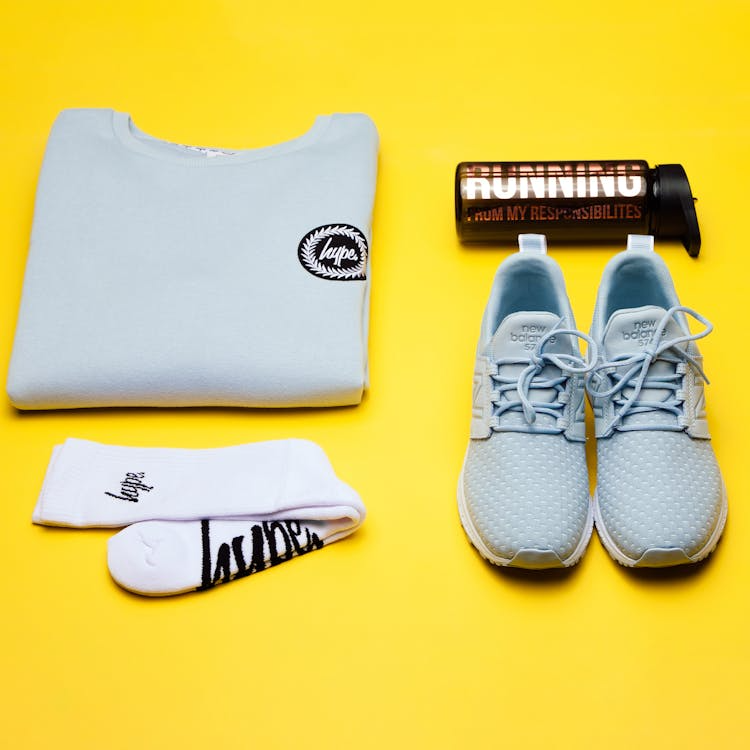
A functional, complete running kit — shoes, GPS watch, shorts, shirt, and socks — can be assembled for under $300 by buying previous-season shoes, a budget GPS watch, and basics from non-premium apparel brands without sacrificing the performance variables that actually matter.
The $300 kit allocation: where to spend and where to save
The performance hierarchy in a running kit: shoes (most important — 45% of budget), GPS watch (second — 30% of budget), apparel (third — 20% of budget), accessories (last — 5% of budget). The premium in a $160 shoe over a $90 shoe is midsole foam quality — worth paying for above 15 miles per week. The premium in a $450 GPS watch over a $200 watch is training intelligence — worth paying for above 40 miles per week with structured workouts. Below these thresholds, the cheaper option performs adequately. For a breakdown of what each price tier actually delivers, see our [running shoe price guide](/why-running-shoes-cost-160).
The $300 kit, item by item
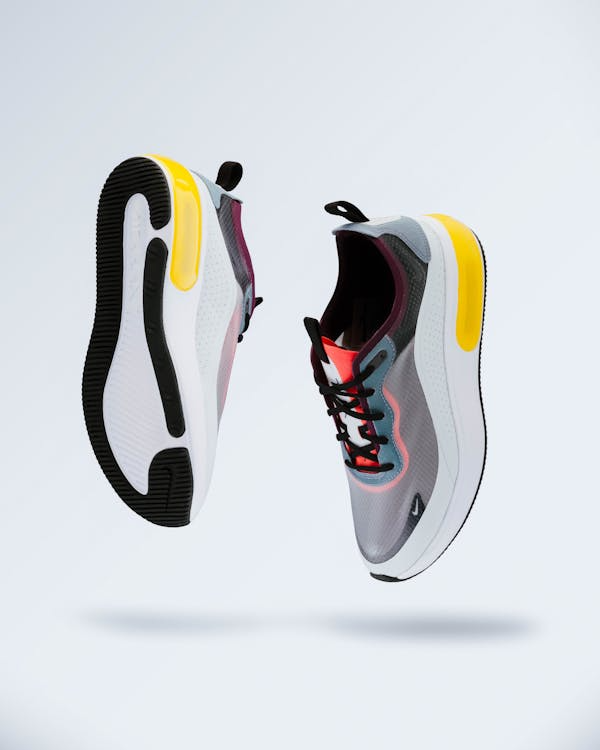
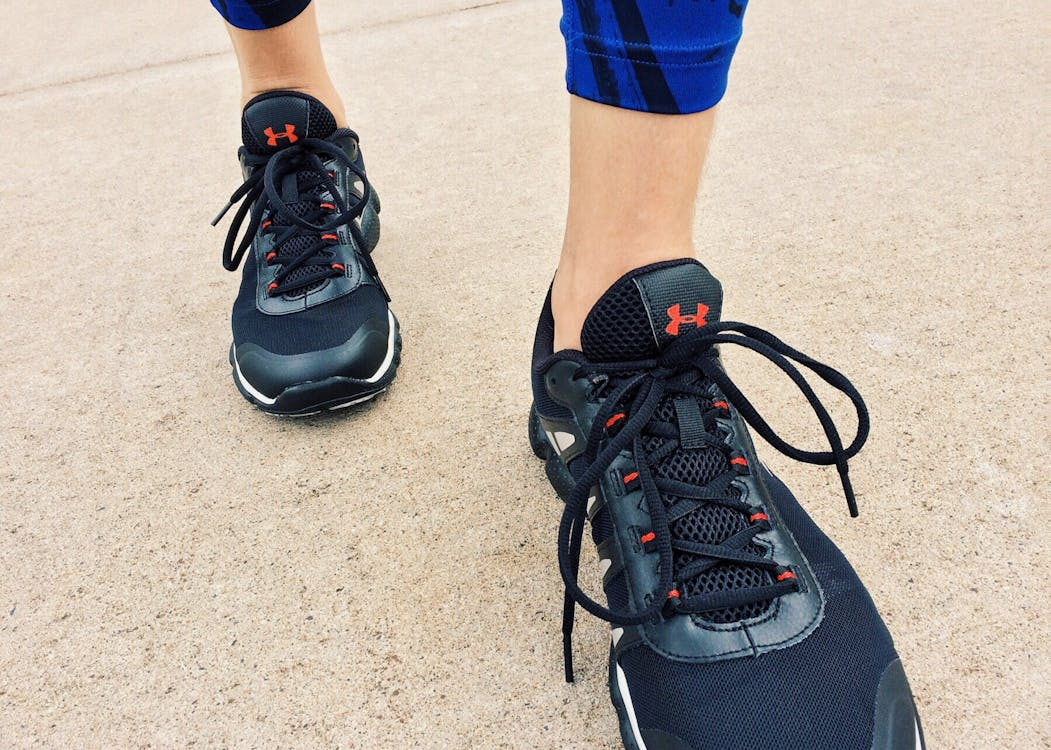
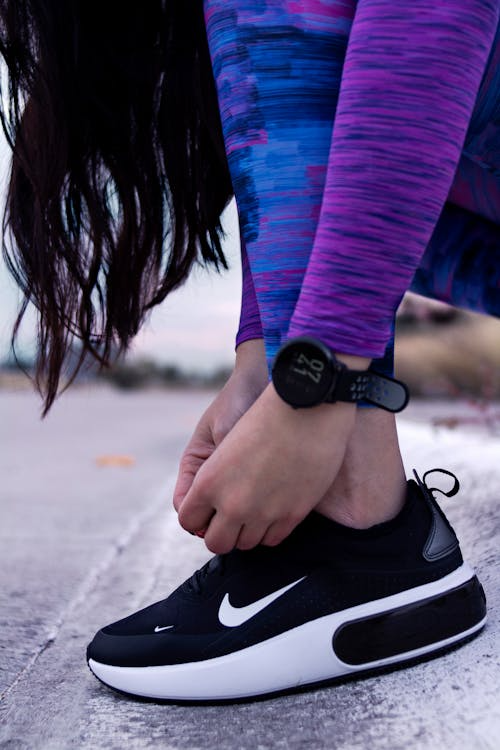
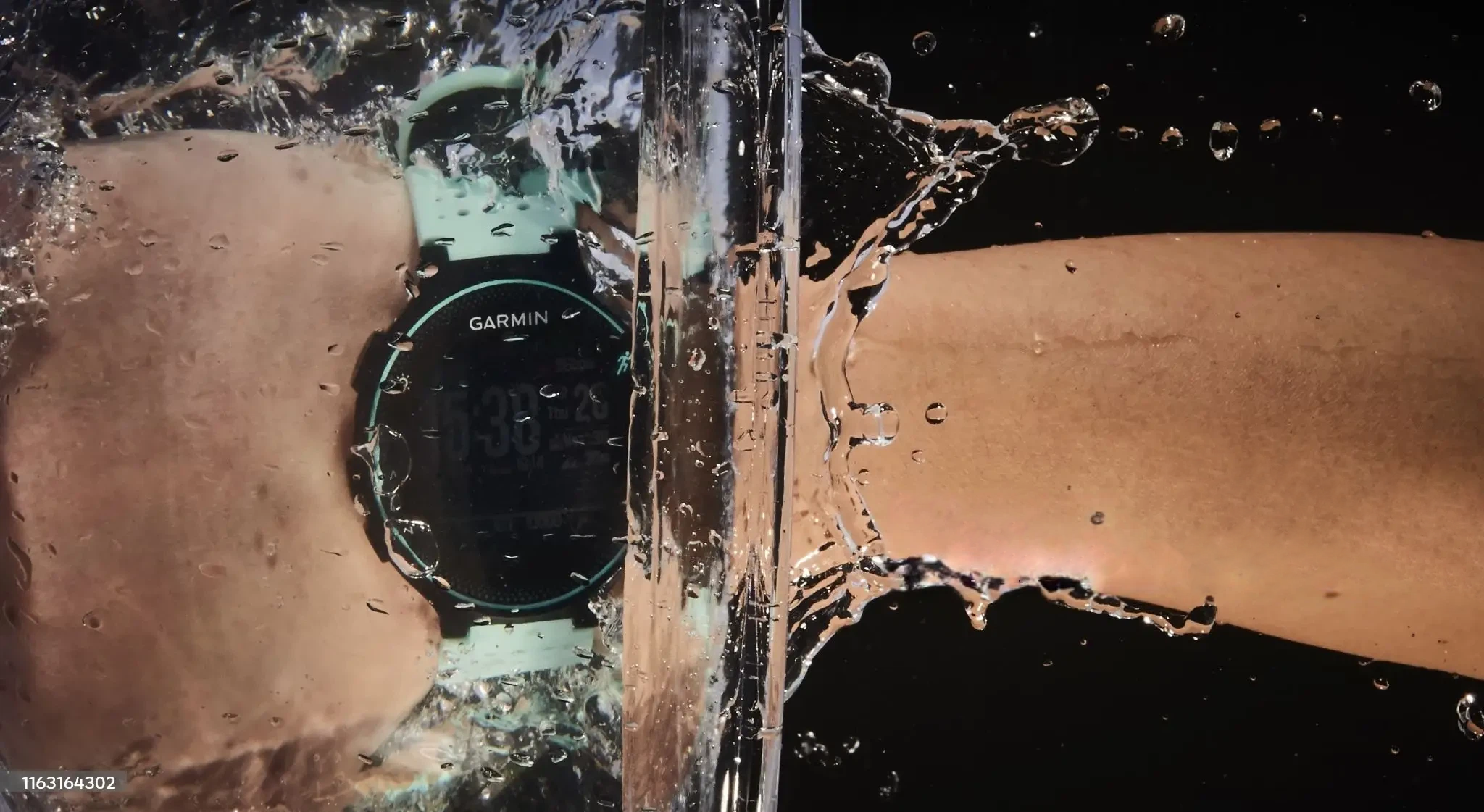
**Shoes: $90–110 (previous-season training model).** Brooks Ghost 15 (previous season, $90 at Running Warehouse clearance), ASICS Gel-Nimbus 25 (previous season, $100–110 at clearance), or Hoka Clifton 8 (previous season, $95–105). All three use proven midsole technology that performs adequately through 400 miles. Avoid generic discount brands at this price point — the savings versus a previous-season mainline model are minimal and the performance gap is significant. **GPS watch: $130–150.** Garmin Forerunner 55 ($199 MSRP, frequently $150–170 on sale) covers all beginner-to-intermediate training needs: GPS pace, distance, HR, weekly load suggestion. Coros Pace 3 ($229 MSRP, occasionally $190–210 on sale) is a better long-term buy if you'll train above 40 miles per week within a year. **Running shorts: $25–35.** Rabbit Run Around Short ($68 full price, $30–40 end-of-season), Old Navy Go-Dry performance shorts ($22), or Amazon Essentials quick-dry running shorts ($20). At this price point, prioritize: liner presence, inseam length that matches your preference, and moisture-wicking fabric. Skip brand premium entirely. **Running shirt: $20–30.** Hanes Sport Cool DRI shirt ($15–18), Under Armour Tech 2.0 ($20–25 on sale), or previous-season Tracksmith or Rabbit shirts at clearance ($25–35 for a premium shirt at budget price). **Socks: $20–25 for two pairs.** Balega Hidden Comfort ($16/pair, running specialty's best mid-tier option) or Darn Tough Tab No-Show ($22/pair, lifetime warranty).
Where the $300 kit falls short
Carbon plate racing: not in this budget. A carbon plate racing shoe costs $200+ alone. For runners targeting PR times in goal races, budget the racing shoe separately and use the kit above for training. Advanced GPS features: Forerunner 55 lacks training load algorithm, offline maps, and running power. Adequate for 90% of recreational runners; limiting for structured training above 50 miles per week.
How do you upgrade this kit over time?
Priority order: (1) Race shoe when targeting a goal race ($200–260 for carbon plate). (2) GPS watch upgrade when training structure demands better coaching (Garmin Forerunner 265 at $449). (3) Premium apparel when current apparel fails (chafing, pilling, waistband roll). Don't upgrade all categories simultaneously — the performance gain per dollar is highest in categories where the current product is actively limiting your training.
Can you run a marathon in a $300 kit?
Yes. Thousands of marathoners finish in less. The kit above is fully adequate for marathon training and racing for runners under 4:30 finish time goal. Above 4:30, the carbon plate shoe becomes less relevant (the foam compliance benefit is most pronounced at higher turnover rates). The GPS watch is adequate for all pacing strategies. The apparel will hold through 500 miles of training without performance degradation.
Content may contain affiliate links. We earn a commission if you purchase through our links, at no extra cost to you.
Join the conversation
- Loading comments…