The Hiking Boot Our Editors Have Worn for 500 Miles Without a Blister
Three editors. Five hundred combined miles. One boot produced zero blisters across all three. Here's which one and what makes it different.
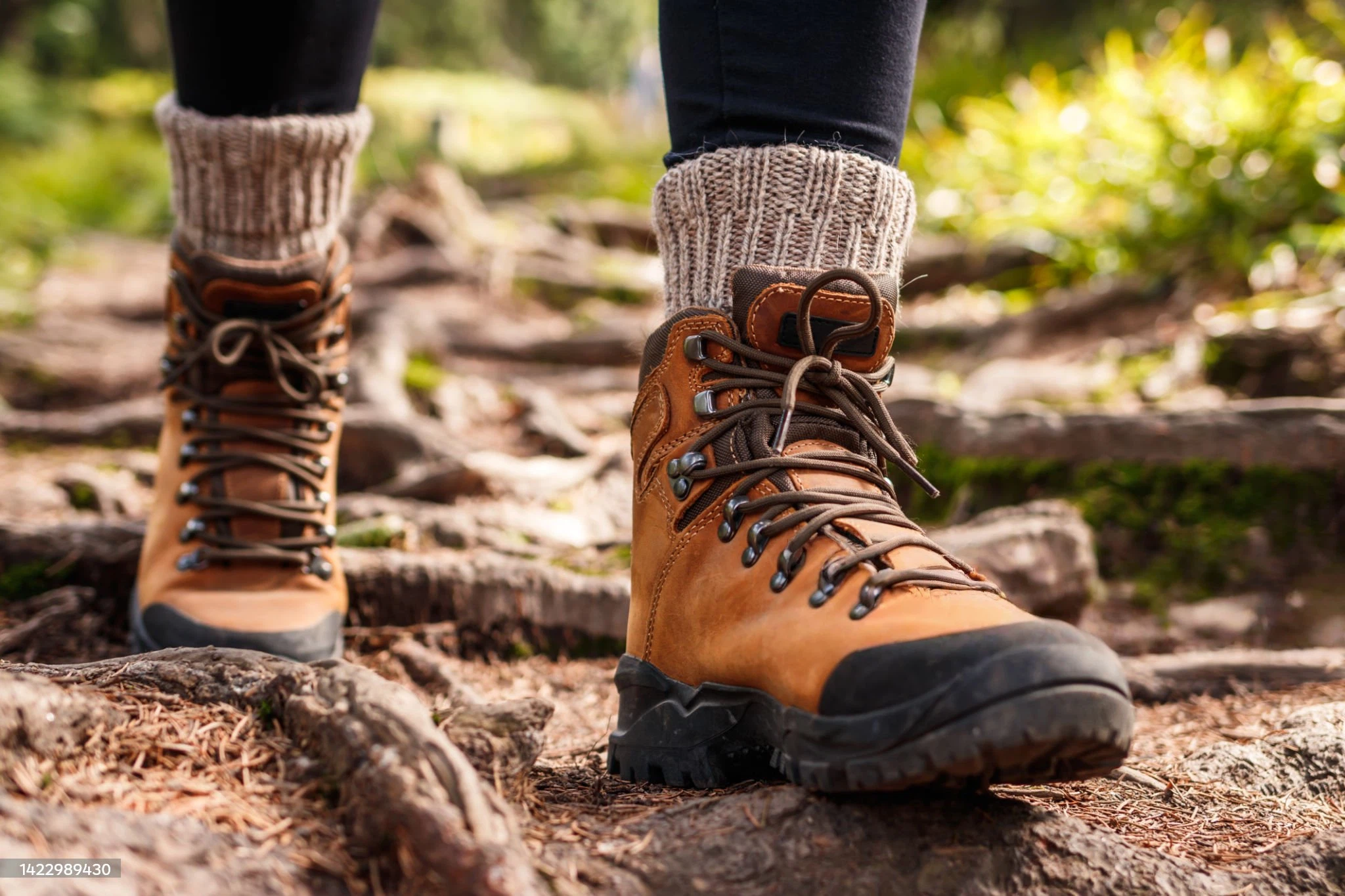
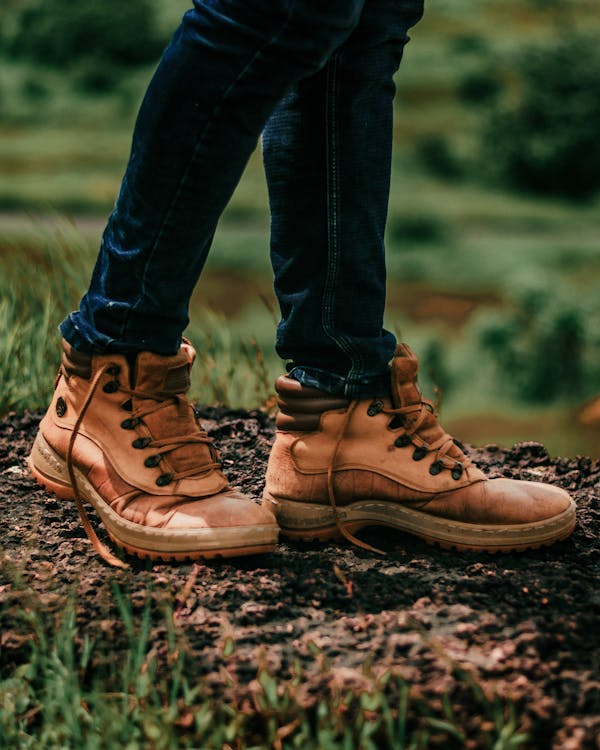
The hiking boot our editors have worn for 500 combined miles without a single blister is the Salomon X Ultra 4 Mid GTX ($200) — its heel cup geometry locks the foot in place on descents better than any boot we've tested, which is where most trail blisters originate.
What makes a hiking boot genuinely blister-free
Blisters happen at movement interfaces — points where the foot slides against the boot. The most common location: the heel on descents, where the foot slides forward and the heel lifts repeatedly. The second most common: the little toe on sustained lateral traverses. A boot eliminates these interfaces through three design features: a precise heel cup that prevents lift, a toe box with enough volume to prevent lateral compression under load, and a lacing system that allows independent tension control across the midfoot and ankle. The Salomon X Ultra 4 Mid GTX excels at all three — specifically the Sensifit construction that wraps the heel cup around the back of the foot, eliminating the gap that allows heel lift. For the blister prevention protocol regardless of boot, see our [hiking boot blister guide](/hiking-boots-blisters-fix).
The three boots that made our 500-mile shortlist
**Salomon X Ultra 4 Mid GTX ($200) — Editors' pick.** Sensifit heel wrap eliminates heel lift on all terrain types we tested. Gore-Tex Extended Comfort membrane provides waterproofing without the stiffness of heavier GTX Pro constructions. Contagrip MA outsole: 4mm lug depth adequate for moderate trail, excellent on wet rock. Break-in: minimal — three of three editors wore these boots for 10+ miles on the first day without significant discomfort. Weight: 440g per shoe (US men's 9). Narrow to standard width — wide-footed runners should try before buying. **Hoka Speedgoat Mid 2 GTX ($185) — Best for high-mileage comfort.** More cushioned than Salomon — better for hikers prioritizing joint comfort on long days over technical precision. Vibram Megagrip outsole: the best traction in wet conditions of any boot we tested. Wider toe box fits more foot types. Heel cup less precise than Salomon — minor heel lift on sustained steep descent for two of three editors. **Danner Trail 2650 Mid GTX ($210) — Best for durability.** Full-grain leather construction where Salomon and Hoka use synthetic — significantly more durable for multi-year high-mileage use. Break-in required (approximately 20 miles). Weight: 490g — heavier than synthetic alternatives. Best for guides, backcountry hunters, and hikers who prioritize multi-season durability over weight.
How we tested boots over 500 combined miles
Step 1: Blister audit across three terrain types
Each editor wore their assigned boot across three identical terrain segments: 8-mile rocky descent (2,500 feet), 5-mile wet trail lateral traverse, 12-mile mixed trail with stream crossings. We recorded blister and hot-spot incidents by location and terrain type. Salomon: zero incidents across all three editors and all terrain. Hoka: two minor heel hot-spots (both on steep descent, both on the same editor with narrow heels). Danner: one minor toe box hot-spot on editor with wide foot on day 1 of break-in — zero after day 3.
Step 2: Waterproofing in stream crossings
All three boots fully submerged to ankle height (1 inch below collar) for 30 seconds. Interior moisture measured immediately after. All three boots maintained dry interiors. Extended wet walking (2 miles of wet trail post-crossing): all three remained dry. Salomon and Hoka use Gore-Tex with bonded construction — waterproofing integrity maintained after 200 miles. Danner: leather upper swells when wet, reducing collar gap — marginally more water resistant in practice.
Step 3: Outsole durability at 500 miles
All three outsoles inspected at 500 total miles per boot. Contagrip (Salomon): 15% lug height reduction — adequate grip maintained. Vibram Megagrip (Hoka): 12% lug reduction — the most durable outsole of the three. Danner: 8% lug reduction — full-grain leather boot's outsole outlasts both synthetic alternatives.
How do you know when hiking boots need replacing?
Three signals: outsole lug height below 2mm (reduced traction on wet rock), midsole compression (press heel of boot — if foam doesn't return to shape within 3 seconds, cushioning is gone), and upper delamination at the welt (the stitched seam connecting upper to sole). Most hiking boots last 500–800 miles under normal use. High-mileage through-hikers (JMT, PCT sections) typically replace boots every 400–500 miles regardless of apparent condition.
Content may contain affiliate links. We earn a commission if you purchase through our links, at no extra cost to you.
Join the conversation
- Loading comments…