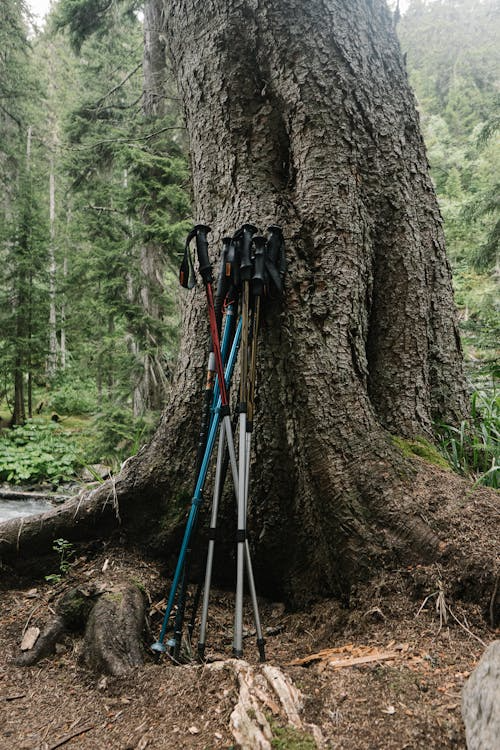
How to Layer for Alpine Hiking Without Overheating on the Climb
The alpine layering system works. Most hikers use it wrong. Here's the three-layer protocol that keeps you comfortable from trailhead to summit.
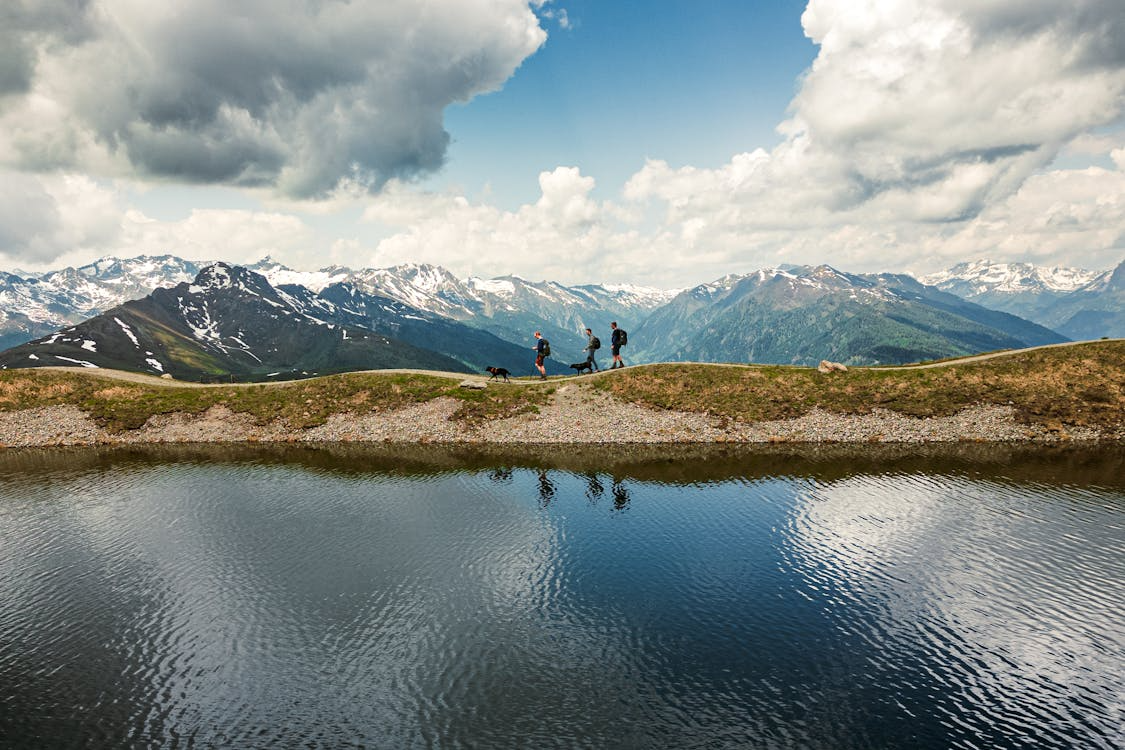
The alpine layering system fails most hikers because they wear too many layers on the approach — arriving at the summit sweaty and wet, then getting cold when the wind hits. The protocol is start cold, layer up at stops, not before the summit.
Why hikers overheat on alpine approaches
The body generates 8–10x more heat during moderate hiking effort than at rest. A three-layer system — base layer, midlayer, hardshell — designed for cold summit conditions retains too much heat during the aerobic approach. Sweat saturates the base layer, which loses insulation capacity, and the midlayer traps moisture against the body. By the time the summit is reached, the hiker is wet and cold — the worst combination for heat retention when effort drops. The solution isn't better layering technology; it's better layering behavior. For the hardshell jacket worth having at the top, see our [Arc'teryx vs Patagonia hardshell comparison](/arcteryx-vs-patagonia-hardshell).
The three-layer system and when to wear each
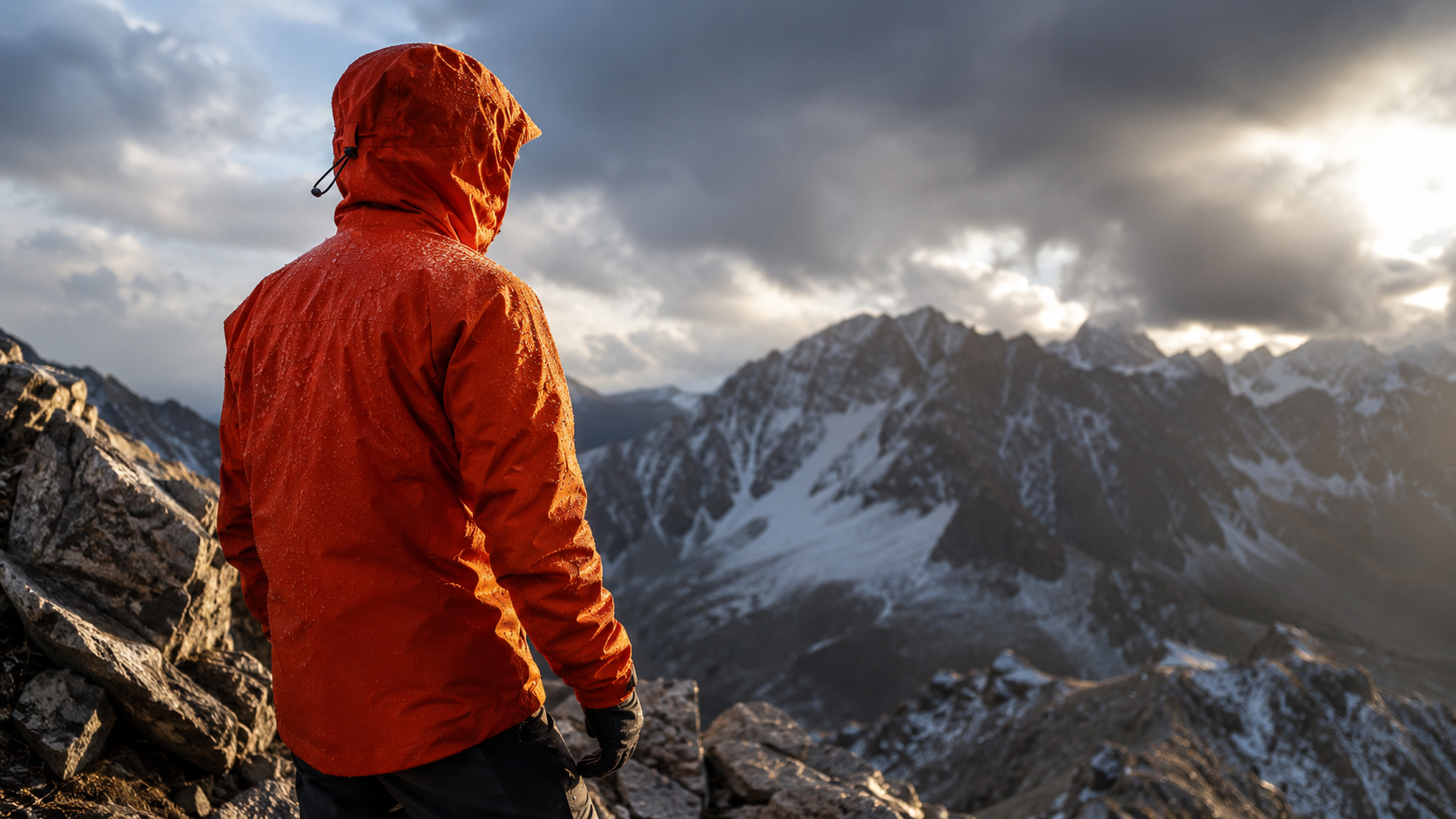
**Base layer — always on.** Merino wool or synthetic wicking fabric against skin. Purpose: move sweat away from skin surface. Never cotton — cotton retains moisture and provides zero insulation when wet. Smartwool Merino 150 ($80) or Patagonia Capilene Cool ($65) for warm approaches. Smartwool Merino 250 ($110) for cold starts and above-treeline conditions. Base layer stays on throughout the hike — the only variable is midlayer and shell management. **Midlayer — off during aerobic effort, on at stops.** Fleece or insulated jacket. Purpose: add warmth when effort drops. Patagonia R1 Fleece ($139), Arc'teryx Atom LT Hoody ($325), or Black Diamond First Light Hybrid ($200) all work. The critical behavior: remove the midlayer 5 minutes before you feel hot, not after. By the time you feel warm, your base layer is already wet. Put it back on immediately when stopping, before you feel cold. **Hardshell — carried, worn only in precipitation or high wind.** Purpose: block wind and rain. Not worn during aerobic effort unless in active precipitation — hardshells are insufficiently breathable for sustained hiking effort without getting soaked from inside.
The start-cold protocol
Leave the trailhead wearing only your base layer — even if it feels cold. At moderate hiking effort you'll be warm within 5–8 minutes. Carry your midlayer and shell in the top of your pack, accessible within 30 seconds. Stop at the first technical section or rest point: put on midlayer while your body temperature adjusts. At the summit: add midlayer if not already on, add hardshell if wind is present. Descend: remove midlayer 5 minutes into the descent as effort increases.
What base layer material is best for alpine hiking?
Merino wool for most hikers — specifically 150–200 weight (light to mid-weight). Merino manages odor over multi-day trips without washing, insulates slightly even when wet, and regulates temperature more effectively than synthetics across a wider temperature range. Limitation: merino is less durable than synthetic — high-abrasion contact points (pack waist belt, shoulder strap contact) wear faster. Synthetic base layers (Patagonia Capilene, Arc'teryx Phase) dry faster and cost less — better choice for fast-and-light hikers who get very wet and need rapid drying.
How many layers do you need for a day hike above treeline?
Minimum three-layer system: wicking base, insulating midlayer, waterproof-windproof hardshell. Add emergency insulation (ultralight down puffy like Montbell Plasma 1000 at 150g) for summits above 12,000 feet or any route where weather can deteriorate to below 32°F. Day hikers frequently underpack layers — the most common cause of mountain rescue calls is hypothermia from inadequate clothing after unexpected weather.
Does layering work differently for women hikers?
Physiologically: women typically have less surface area relative to body mass, producing less heat during effort and losing it faster at rest — the start-cold protocol is less applicable; many women hikers need a light midlayer for the first 15–20 minutes of approach. Women-specific layering systems (Arc'teryx Cerium, Patagonia Down Sweater Hoody) are cut for shorter torso lengths and reduced shoulder width — better fit means better insulation retention at the collar and hem.
Content may contain affiliate links. We earn a commission if you purchase through our links, at no extra cost to you.
Join the conversation
- Loading comments…