Running Gear Warranties: Which Brands Actually Stand Behind Their Products
Warranty policies vary from lifetime to 90 days. Here's what each major running brand covers — and which ones actually honor claims.

Darn Tough's lifetime sock warranty and Garmin's 1-year watch warranty are the strongest in their respective categories — but the brands that deliver the most value are those that honor claims without friction, not just those with the longest policy period.
Why warranty policy matters more than most runners think
A $160 running shoe with a 90-day warranty and a known outsole delamination issue is a worse purchase than a $130 shoe with a 1-year warranty and a track record of honoring claims. Warranty coverage is part of the product's real price — a shoe that fails at 200 miles and gets replaced under warranty costs you nothing additional; one that fails and gets denied costs you $130 for a replacement. Evaluating warranty requires two data points: what the policy says and whether the brand actually honors it. For the gear worth the premium in each category, see our [running gear editors buy on sale guide](/running-gear-editors-buy-on-sale).
Running shoes: 1-year manufacturing defect coverage is standard
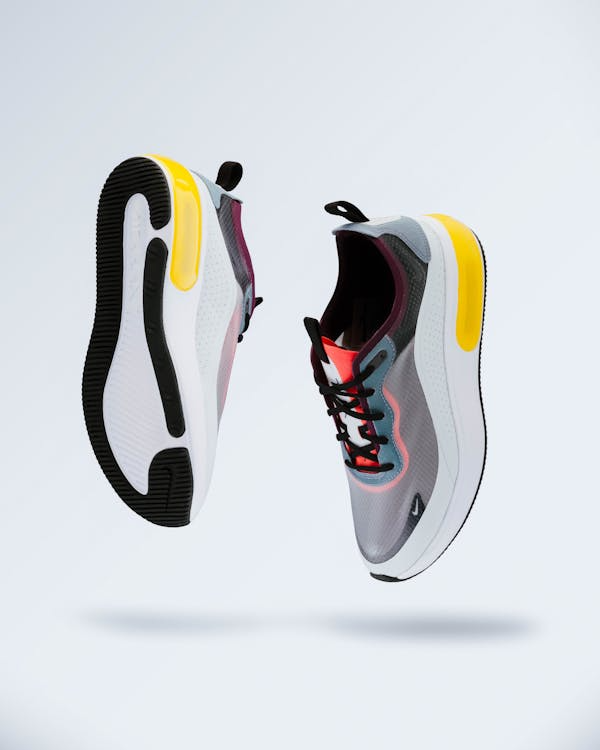
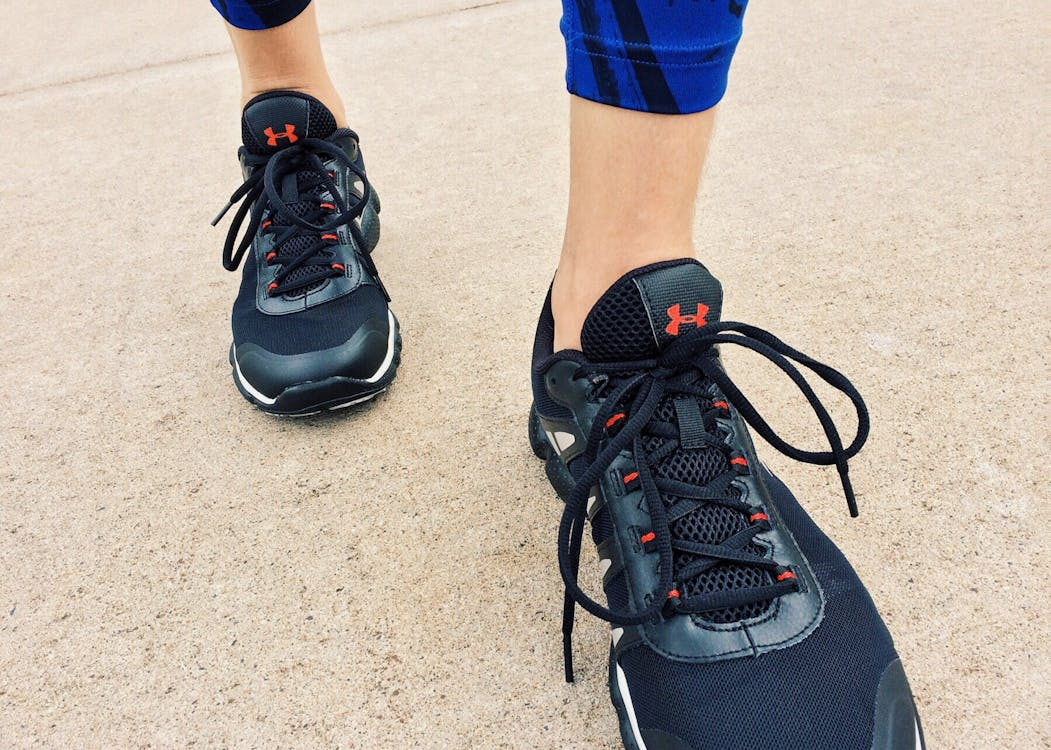
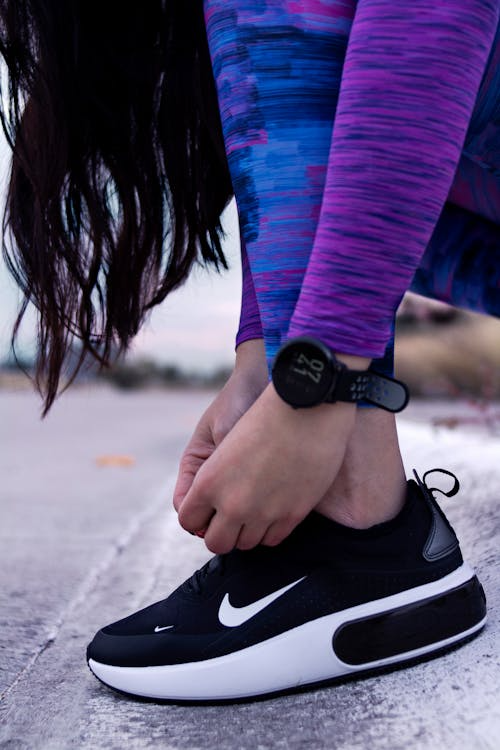
Most running shoe brands (Brooks, ASICS, Hoka, New Balance, Nike, Saucony) cover manufacturing defects for 1 year from purchase. What's covered: upper delamination, midsole separation, outsole debonding at a non-wear contact point. What's not covered: normal wear (outsole lug wear, midsole compression from mileage), accidental damage, and fit issues. Brooks and ASICS have the strongest reputation for honoring claims without friction in runner community forums — photo documentation of the defect with proof of purchase typically resolves within 5–7 business days. Nike's claim process requires shipping the shoe to their returns center — a 2–3 week process that other brands handle by mailing a replacement first.
GPS watches: Garmin 1 year, Coros 2 years
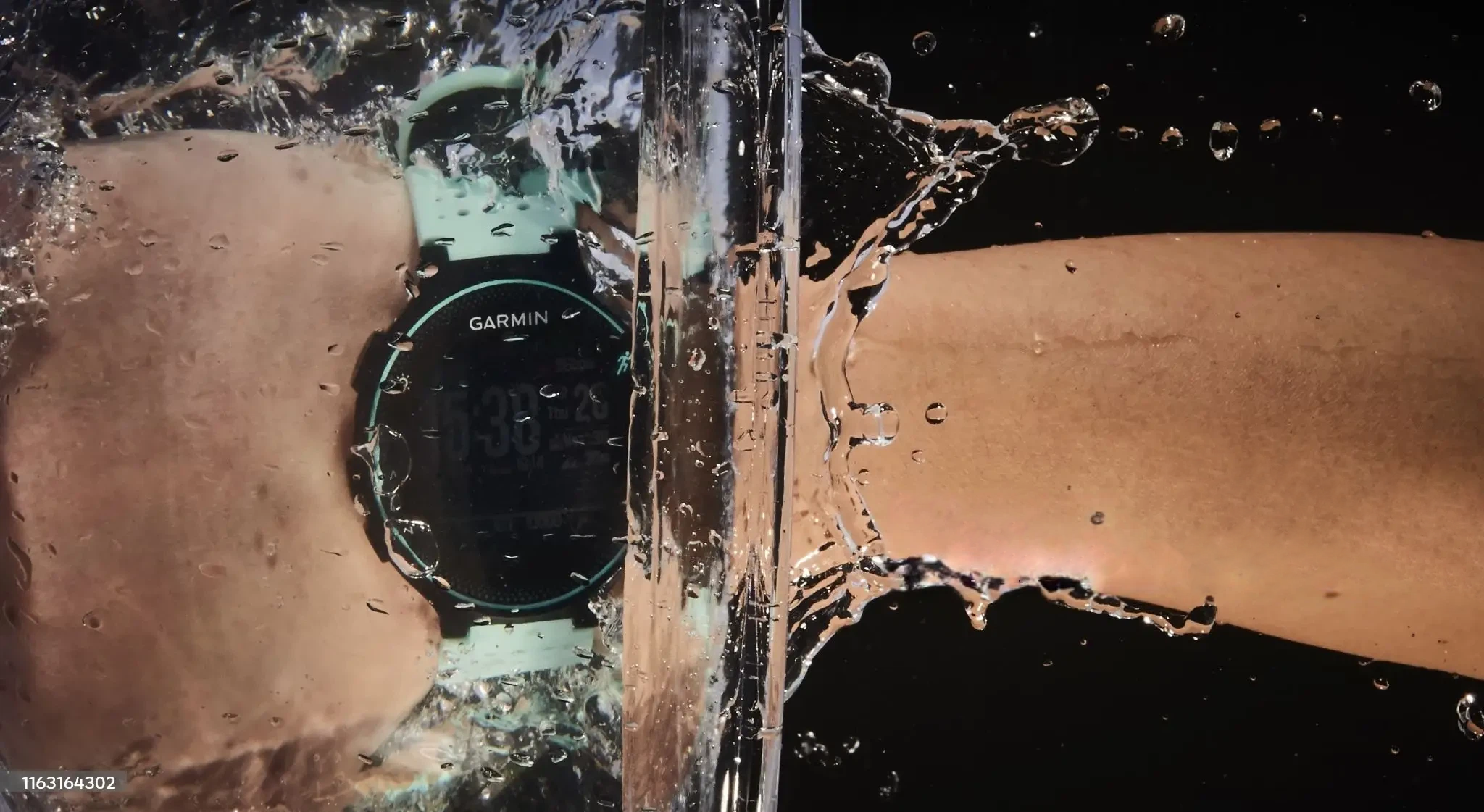
Garmin: 1-year limited warranty on all GPS watches. Covers manufacturing defects; excludes water damage beyond the rated IPX depth and impact damage. Garmin's warranty claim process: submit online, receive shipping label, return watch, receive refurbished replacement within 10–14 days. Coros: 2-year limited warranty — the longest standard GPS watch warranty in the category. Same defect/exclusion structure as Garmin. Coros's claim reputation (based on running community reports): faster resolution than Garmin, typically 7–10 days to replacement. Apple Watch: 1-year Apple warranty plus optional AppleCare+ ($9/month) extending coverage to 2 years with accidental damage coverage.
Running socks: Darn Tough's lifetime guarantee is real
Darn Tough guarantees their socks for life — unconditional replacement for any reason including wear-through. The process: fill out an online form, photograph the worn socks, mail them back. Replacement ships within 2–3 weeks. This guarantee is genuine and frequently used — Darn Tough's merino wool construction is durable enough that most runners wear through socks after 500–800 miles, not 50. At $22–28 per pair with a lifetime guarantee, the effective cost per mile is lower than $10–12 socks replaced every season.
Running apparel: Patagonia and Arc'teryx lead on warranty depth
Patagonia: Ironclad Guarantee — repairs, replaces, or refunds for any reason, any age of product. Includes wear damage. Arc'teryx: lifetime warranty on manufacturing defects, free repair service for damage. Both brands have repair centers that fix worn garments — extending product life rather than replacing. Lululemon: quality promise covers manufacturing defects for the product's 'reasonable life' — vague but generally honored for 1–3 years on training apparel. Tracksmith: 60-day returns, no stated long-term warranty — weakest policy among premium running apparel brands.
How do you make a successful warranty claim?
Four steps that improve claim success rates: (1) Keep proof of purchase — digital receipt or order confirmation email, not just a bank statement. (2) Photograph the defect clearly before continued use — wear patterns can obscure original defect location. (3) Contact the brand directly rather than the retailer for claims over 90 days — retailer return windows and manufacturer warranty periods overlap but aren't identical. (4) Describe the defect specifically and in non-emotional terms — 'upper mesh separated from midsole at the lateral forefoot after 180 miles' processes faster than 'these shoes fell apart.'
Content may contain affiliate links. We earn a commission if you purchase through our links, at no extra cost to you.
Join the conversation
- Loading comments…