How to Tell If a Running Shoe Is Discontinued (Before You Buy the Wrong One)
Discontinued running shoes look identical to current models online. Buying the wrong one means no warranty, no future replacement, and foam that may be years old.
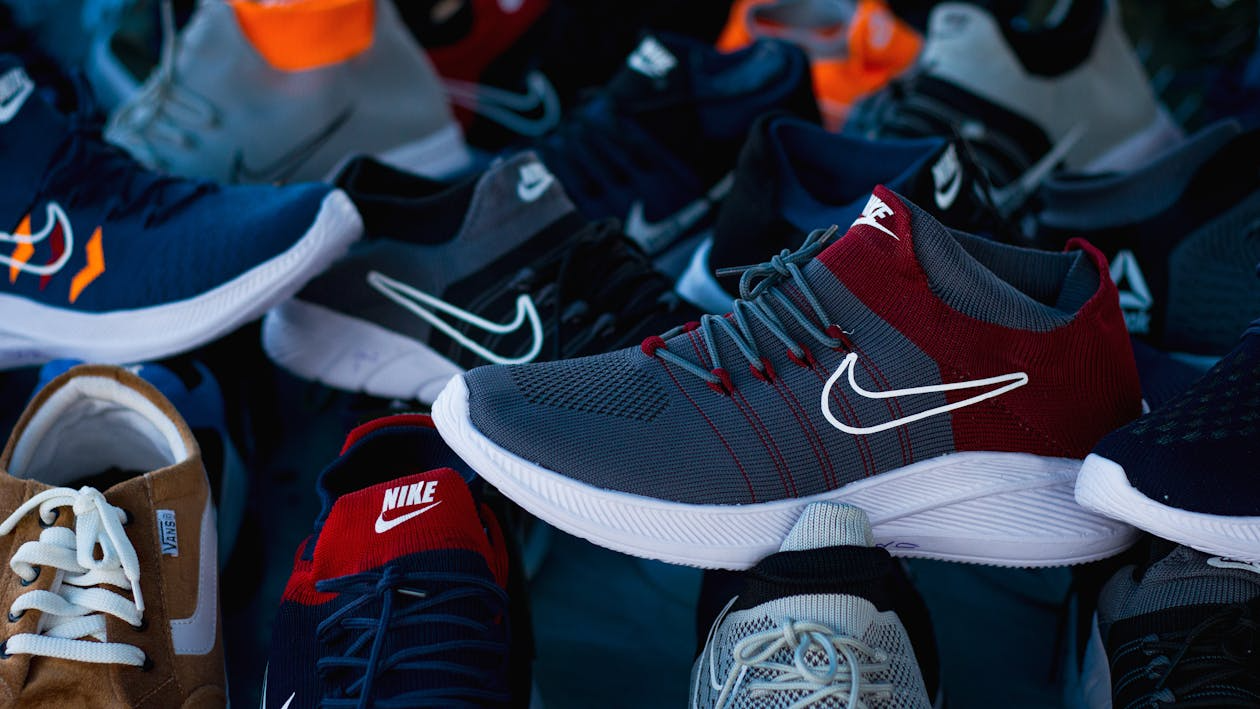
A discontinued running shoe is one the brand no longer manufactures — it may still be for sale at retailers clearing old inventory, but the foam may have been sitting in a warehouse for 1–3 years, degrading before you've run a single mile.
Why buying a discontinued running shoe is riskier than buying previous-season
Previous-season running shoes (one model behind current) are typically 6–18 months old — foam degradation is minimal and the model is well within its performance window. Discontinued models — shoes the brand has replaced with a different model or permanently retired — may have been in retailer inventory for 2–4 years. Midsole foam degrades through oxidation over time regardless of use. A shoe stored in a warehouse for 3 years has lost 10–20% of its original cushioning properties before its first run. For the shoes worth buying at any age, see our [guide to buying previous-season models](/buy-last-season-running-shoes).
Step 1: Check the brand's current lineup
Go to the brand's website and search for the shoe model name. If the model appears in the current lineup with a version number, it's a current or previous-season model — safe to buy at discount. If searching the model name returns no results on the brand's website, the model has been discontinued. Cross-reference: if the shoe appears on third-party sites at 50–70% off but not on the brand's website, it's discontinued stock being cleared.
Step 2: Check the manufacture date code
Most running shoes have a manufacture date stamped inside the tongue or on the insole — typically a 4-digit code (MMYY format). A shoe manufactured in 0122 (January 2022) purchased in 2026 has 4-year-old foam. The general guideline: foam degradation becomes performance-affecting after approximately 3–4 years of storage in normal warehouse conditions. Air-conditioned storage preserves foam better than ambient warehouse temperature.
Step 3: Verify warranty coverage on discontinued models
Running shoe warranties cover manufacturing defects from the date of purchase, regardless of manufacture date — a discontinued shoe bought new today is still covered for 1 year from purchase. The practical issue: if the model is discontinued and you have a defect claim, the brand will typically replace with a current comparable model rather than the same discontinued model. This is generally favorable — you receive a current, non-degraded shoe.
Which running shoe models are most commonly discontinued mid-popularity?
Niche performance models with high retail price: Nike ZoomX Invincible Run (discontinued after version 3), Adidas Ultraboost Running (transitioned to lifestyle positioning), Saucony Kinvara (reformulated). High-volume training models rarely get fully discontinued — they're renamed or relaunched. Brooks Ghost, ASICS Gel-Kayano, and Hoka Clifton have continuous lineage spanning 10+ versions with no discontinuation risk.
What should you do if you find a discontinued favorite at a deep discount?
Buy your current size and one half-size up (for when feet measure slightly larger after long runs). Check the manufacture date and calculate foam age — under 2 years is acceptable; over 3 years merits caution. Verify return policy before purchasing: if the foam has degraded beyond acceptable cushioning on first run, you want the option to return. REI's one-year return policy covers worn shoes — ideal for testing discontinued models.
Content may contain affiliate links. We earn a commission if you purchase through our links, at no extra cost to you.
Join the conversation
- Loading comments…