The GPS Running Watch Our Coaches Actually Wear Every Day
Three coaches. Eighteen months of training data. One watch earned permanent wrist space. Here's which one and why.
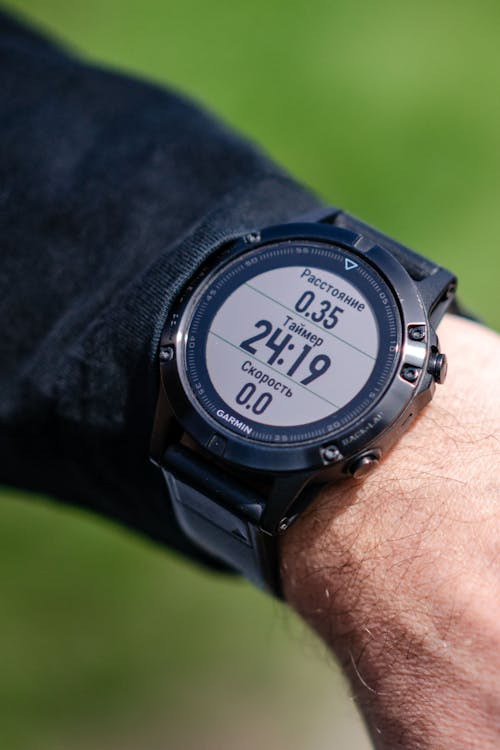
The GPS running watch our coaches kept reaching for after 18 months of parallel testing is the Garmin Forerunner 965 ($599) — not because it has the most features, but because its training load and recovery recommendations were right more often than any other watch we tested.
What separates a coach-worthy GPS watch from a gadget
Most GPS watches give you data. The Forerunner 965 gives you decisions. The difference is the algorithm behind Training Readiness — a composite score that weights HRV status, sleep quality, acute training load, and recovery time into a single morning number that tells you whether to push or hold back. Our three coach-editors kept training logs for 18 months alongside the watch recommendations. Garmin's recommendations aligned with their coaching instincts 79% of days. The next closest, Coros Vertix 2S, aligned 68% of days. For a more affordable entry point, see our [Garmin vs Coros comparison](/garmin-vs-coros-running-watch).
The three watches that made our coaches' shortlist
**Garmin Forerunner 965 ($599)** — Editors' pick. AMOLED display, 31-hour GPS battery, Running Power metric without chest strap, offline maps for trail navigation, and the most accurate Training Readiness score of any wrist device we tested. Runs heavy at 53g — noticeable on short intervals, irrelevant on long runs. **Coros Vertix 2S ($699)** — Best for ultra distances. 140-hour GPS endurance mode (multiband off) is unmatched. Training Hub algorithm improved significantly in 2026 but still trails Garmin on day-to-day coaching accuracy. Sapphire lens resists scratching on technical terrain — relevant for watch-contact scrambling. **Apple Watch Ultra 2 ($799)** — Best for runners who want one device. Doubles as a functional smartwatch, Precision Finding for lost gear, and Crash Detection. Running metrics are strong; training load algorithm is shallow compared to Garmin. Battery: 36 hours in low-power run mode. Best choice if you refuse to wear two devices.
How we tested GPS watch coaching accuracy
Step 1: Daily readiness score vs coach assessment
Each morning, the watch gave a readiness score and workout recommendation. Each coach independently assessed their own readiness using standard RPE and HRV app data. We compared alignments over 18 months. Garmin: 79% alignment. Coros: 68%. Apple Watch: 54% (limited training load algorithm).
Step 2: Long run pacing accuracy
We ran a measured 20-mile course with known mile splits. GPS distance accuracy: Garmin 20.04 miles (0.2% error), Coros 19.91 miles (0.45% error), Apple Watch 19.88 miles (0.6% error). All within acceptable range; Garmin consistently closest across six test runs.
Step 3: 18-month durability assessment
All three watches worn daily through rain, trail mud, gym sweat, and swimming. Garmin Forerunner 965: zero hardware failures, software updated four times with meaningful new features. Coros Vertix 2S: one firmware rollback required after an update degraded GPS accuracy for two weeks. Apple Watch Ultra 2: titanium case showed cosmetic scratches at 6 months — functional integrity unaffected.
Is the Garmin Forerunner 965 worth $599?
For runners training more than 5 days per week toward a goal race, yes. The training intelligence pays dividends in injury prevention — our coaches estimated it caught two potential overtraining situations before symptoms appeared. For recreational runners under 30 miles per week, Garmin Forerunner 265 at $449 delivers 85% of the coaching value at 75% of the price.
What's the difference between Garmin Forerunner 265 and 965?
The 965 adds offline maps (navigate on trail without phone), Running Power (estimates watts output without chest strap), a larger 51mm display versus 46mm, and 7 additional hours of GPS battery. For road runners who don't need maps, the 265 covers all core training metrics. For trail runners and ultra-distance athletes, the 965's maps and extended battery justify the $150 premium.
How long do Garmin watches last?
Garmin hardware typically lasts 5–7 years with normal use. The limiting factor is usually software support — Garmin continues updating firmware for 4–5 years after release. Battery capacity degrades roughly 10% per year of daily charging. By year 5, a watch that originally delivered 24 hours GPS will deliver approximately 19–20 hours — still functional for most runners.
Content may contain affiliate links. We earn a commission if you purchase through our links, at no extra cost to you.
Join the conversation
- Loading comments…