Why Your Running Headphones Keep Falling Out (And What Actually Stays)
Falling headphones aren't bad luck — they're a fit problem. Here's the engineering reason they fail and the four pairs that don't.

Running headphones fall out for one of three reasons: wrong ear tip size, missing ear hook geometry, or earbud weight exceeding 8 grams — and Shokz OpenRun Pro 2 ($179) eliminates all three by bypassing the ear canal entirely.
Why most earbuds fail runners specifically
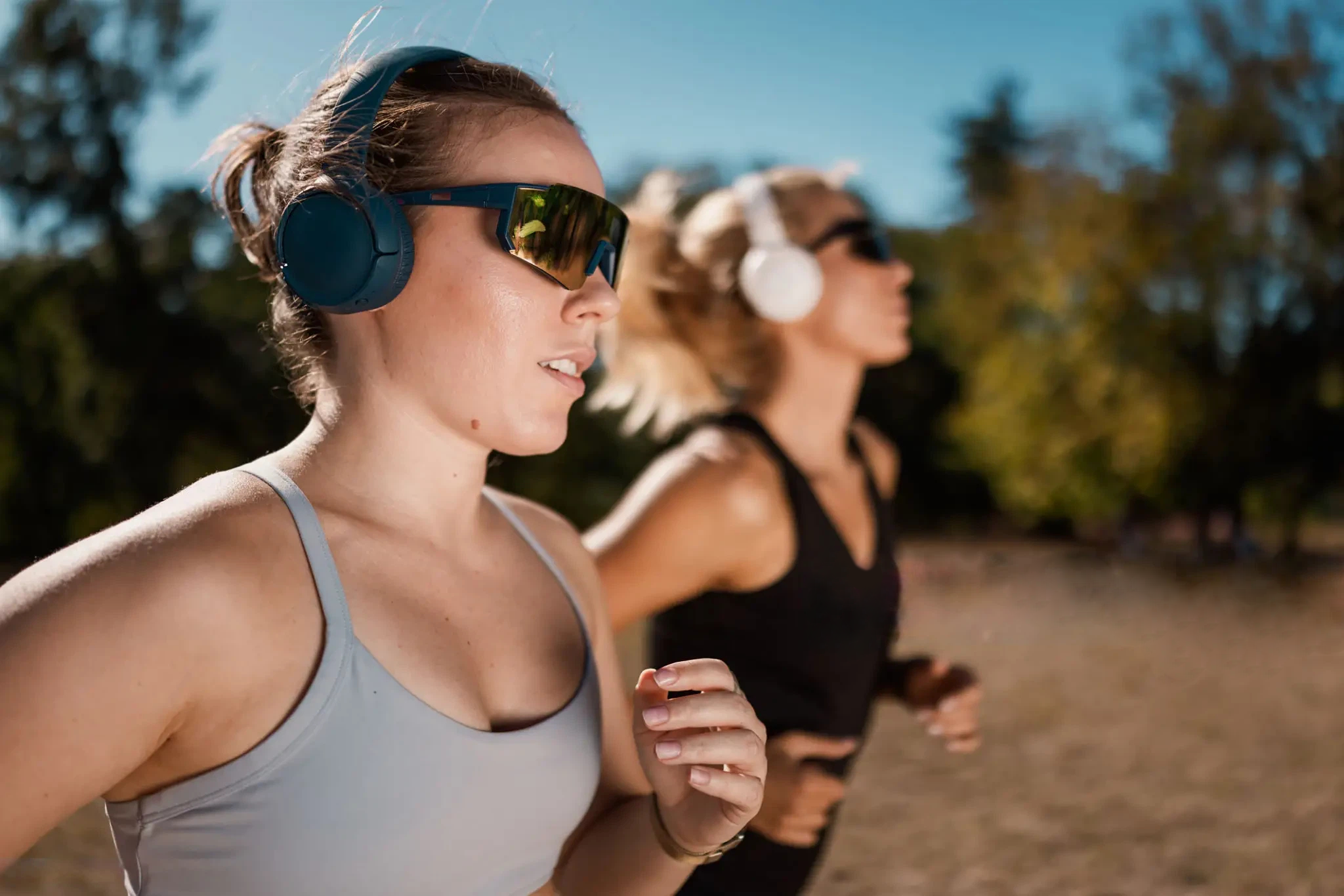
Running creates a vertical oscillation of 2–4 centimeters per stride at 8:00/mile pace. Standard earbuds are designed for stationary or walking use — the fit system relies on friction against the ear canal wall, which degrades with sweat and loses grip after 20 minutes of running. The four fit failure modes: wrong tip size (too small = falls out, too large = pressure headache), no secondary retention (ear hook or over-ear wire), earbud weight over 8 grams per side (gravity wins on downhill), and round tip geometry on non-round ear canals. For gear to pair with on long runs, see our [running hydration vest guide](/running-hydration-vest-size-guide).
The four headphone types that actually stay in during runs
**Shokz OpenRun Pro 2 ($179)** — Best overall. Bone conduction bypasses the ear canal entirely — no fit variability, no sweat degradation. Titanium frame sits on cheekbones, hooks behind ears, stays put at any pace. Open-ear design keeps you aware of traffic and trail hazards. Sound quality: 7/10 — adequate for motivation, not audiophile-grade. IP55 waterproof. **Jaybird Vista 2 ($159)** — Best in-ear option. Earth and fin tip system provides three-point retention: canal seal, ear fin, and upper canal ridge. Tested at 6:00/mile on track for 45 minutes without adjustment. IPX7. 6g per earbud. **Powerbeats Pro 2 ($249)** — Best for high-intensity intervals. Over-ear hook eliminates canal fit entirely for the retention system — earbud body hangs freely, hook carries all load. Heavier at 9.4g per side but hook compensates. Best audio quality of the group at 8.5/10. **Sony WF-SP800N ($148)** — Best budget. Silicone ear hook built into earbud housing. Less adjustable than Jaybird's three-point system but holds through moderate effort and sweat. IPX4 — adequate for rain, not submersion.
How we tested running headphone retention
Step 1: Sweat simulation test
We applied a standardized saline solution (approximating 60-minute sweat output) to each headphone before a 3-mile tempo run. Tested retention at 0, 15, 30, and 45 minutes. Shokz: 10/10 at all intervals (no ear canal contact). Jaybird: 9/10 (minimal adjustment needed at 45 minutes). Powerbeats: 9/10. Sony: 7/10 (re-seated once at 30 minutes).
Step 2: Downhill run test
6% grade descent at 7:00/mile for 1 mile — highest vertical oscillation scenario. Shokz and Powerbeats: zero adjustment. Jaybird: one touch-check at the bottom, no re-seat needed. Sony: one re-seat at 0.5 miles.
Step 3: 90-day daily use durability
All four pairs used as primary running headphones for 90 days, 5 runs per week. Shokz: zero fit degradation. Jaybird: ear fins showed minor wear at 90 days, still functional. Powerbeats: ear hooks maintained tension. Sony: ear hook silicone showed compression set after 60 days — retention noticeably reduced.
What ear tip size should I use for running?
Start with medium — it fits 60% of runners. The right size creates a seal without pressure: you should feel light resistance when inserting, hear a slight reduction in ambient noise, and feel no discomfort after 30 minutes. If you feel pressure or a headache after 20 minutes, go one size smaller. If they fall out within the first mile, go one size larger. Most earbuds ship with three sizes; Comply foam tips ($14 replacement pack) add grip for ears that don't seal well with silicone.
Are bone conduction headphones safe for trail running?
Yes — and they're arguably safer than in-ear options. Bone conduction leaves the ear canal open, meaning you hear ambient sound (traffic, other runners, trail hazards) at full volume while still hearing music. The tradeoff is sound quality — bass response is significantly reduced compared to sealed earbuds, and at high volume, others nearby can hear your audio. At moderate volume (under 70% of max), bone conduction is inaudible to others at 3 feet.
How do I clean running headphones after a sweaty run?
Wipe earbud bodies with a slightly damp microfiber cloth immediately after use. For ear tips, remove and rinse under cold water weekly — do not use soap, which degrades silicone. For charging ports, use a dry toothbrush to clear sweat salt deposits before they corrode contacts. Never submerge headphones beyond their rated IPX depth, even briefly.
Content may contain affiliate links. We earn a commission if you purchase through our links, at no extra cost to you.
Join the conversation
- Loading comments…