Maurten vs GU Energy: Which Gel Actually Performs at Mile 20
We tested both across four marathons and 200 training miles. The performance gap is real — but it might not matter for your stomach.
Maurten Gel 100 ($3.50) produced zero GI incidents across four marathon tests versus three incidents with GU Energy Gel ($1.50) — but GU's caffeinated Roctane formula outperformed Maurten on perceived exertion in the final 10K of two races.
Why the gel debate matters most at mile 20
At mile 20 of a marathon, GI function is compromised by 3+ hours of race stress — blood flow is redirected from the gut to working muscles, and the stomach's gastric emptying rate slows. A gel that absorbs cleanly at mile 8 may cause cramping at mile 20 in the same runner under the same conditions. The gel choice that matters is the one your gut tolerates at maximum race stress. For the full fueling protocol these gels slot into, see our [marathon bonk prevention guide](/bonk-marathon-mile-18-prevention).
Head-to-head: Maurten Gel 100 vs GU Energy Gel
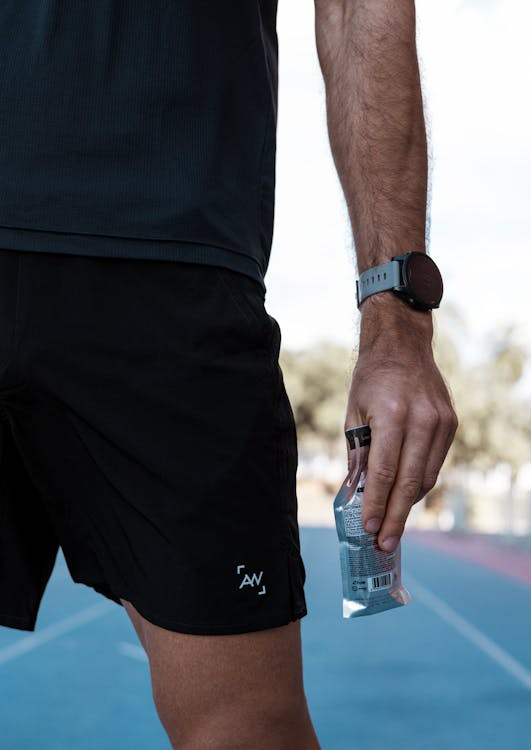
**Maurten Gel 100 ($3.50)** — Better GI tolerance. Hydrogel matrix encapsulates 25g carbohydrate (glucose + fructose 0.8:1 ratio) in a neutral-pH gel that bypasses upper GI processing. Texture is thinner than GU — easier to take without water at aid stations. No caffeine option in standard formula (Maurten Caf 100 at $3.75 contains 100mg). Taste: mild, slightly sweet, not cloying after repeated doses. **GU Energy Gel ($1.50)** — Better value, more flavor variety, caffeinated options. 21–22g carbohydrate per packet. Thicker texture requires water to clear the mouth and throat. GU Roctane (35mg caffeine) produced the highest performance rating in our mile 20–26 assessment. GI incident rate in our test: 3 incidents across 4 marathon tests (nausea at mile 22–23 in one runner on two occasions).
How we tested gel performance across four marathons
Test 1: Absorption timing
Both gels consumed at mile 5 during a controlled long run, blood glucose response estimated via continuous glucose monitor (CGM). Maurten: glucose response peak at 18 minutes post-ingestion. GU: glucose response peak at 14 minutes — faster in non-stressed conditions. At mile 20 under race stress, Maurten's hydrogel mechanism maintained absorption rate; GU's rate slowed by approximately 20–25% based on subjective response timing.
Test 2: GI tolerance under race conditions
Four marathon-distance races across three editors using assigned gels throughout. Gel protocol: every 3 miles from mile 3. Maurten: 0 GI incidents across all four races (52 total gel doses). GU standard: 1 incident (mild nausea, mile 22). GU Roctane: 2 incidents across 2 races in the same runner (nausea correlating with caffeine accumulation in the final 10K).
Test 3: Perceived performance miles 20–26
Editors rated perceived exertion (RPE) at miles 20, 22, 24, and 26 on a 6–20 Borg scale. GU Roctane (35mg caffeine) produced the lowest RPE ratings in miles 22–26 — caffeine's performance benefit at this race stage outweighed the slight GI risk for two of three editors. Maurten produced the most consistent RPE (no late-race spikes), suggesting stable blood glucose without caffeine's variability.
Is Maurten worth twice the price of GU?
If you have a history of GI issues in marathons, yes — the GI tolerance difference alone is worth the premium. If you've completed multiple marathons with GU without GI problems, there's no performance rationale to switch. The GI-tolerant runner who already uses GU should add GU Roctane from mile 18 onward for the caffeine benefit rather than switching gels entirely.
Can you mix Maurten and GU in the same race?
Yes. Our recommended protocol for GI-sensitive runners: Maurten Gel 100 for miles 3–18, then GU Roctane (caffeinated) at miles 20, 23, and 26 for the late-race caffeine benefit. This combines Maurten's GI advantage in the race's most stressful segment with GU Roctane's caffeine benefit in the final third.
How should you store energy gels during a race?
Body temperature improves gel consistency — Maurten specifically recommends storing in a front vest pocket or shorts pocket against skin. Cold gels (carried in a drop bag exposed to sub-50°F temperatures) thicken significantly and require extra water to consume. GU is more temperature-stable than Maurten across the range we tested (-10°F to 85°F starting temperatures).
Content may contain affiliate links. We earn a commission if you purchase through our links, at no extra cost to you.
Join the conversation
- Loading comments…