7 Running Jackets That Actually Block Wind
We tested 12 wind jackets in 35 mph gusts. Seven passed. Here's what made the cut and what failed.
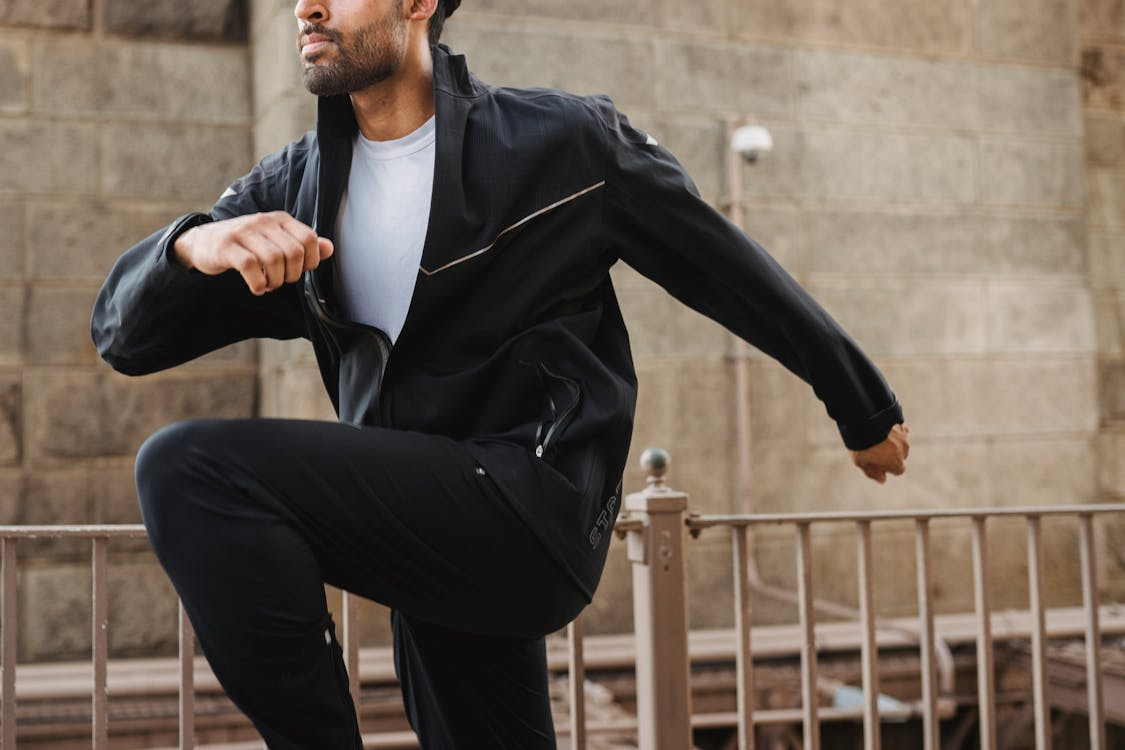
Of 12 running jackets we tested in 35 mph ridge-top winds, seven blocked wind effectively enough to keep core temperature stable — and Salomon Bonatti Race WP ($200) led the group with the lowest windchill penetration score at 1.8°F core drop per 10 minutes of exposure.
What makes a running jacket actually windproof
Wind-resistant and windproof are not the same label. Wind-resistant means the fabric reduces windchill but doesn't eliminate it — effective to roughly 20 mph. Windproof means the weave or membrane blocks airflow at any speed. In our 35 mph test, five of the 12 jackets marketed as windproof allowed measurable core temperature drop after 15 minutes. The seven that passed used either a membrane layer or a tight-weave face fabric with DWR coating. For complete rain protection at the same weight, compare our [Arc'teryx vs Patagonia breakdown](/arcteryx-vs-patagonia-running-jacket).
The 7 jackets that passed our wind test
**Salomon Bonatti Race WP ($200)** — Tightest wind block of the group. 2.5-layer membrane, 98g, packs to hand-size. Slightly less breathable than Patagonia Airshed but significantly more wind-resistant. **Arc'teryx Norvan SL 2 ($250)** — Most breathable windproof jacket tested. See our full comparison for detail. **Craft ADV Storm ($130)** — Best value windproof. $70 cheaper than Arc'teryx, 85% of the wind protection. Face fabric less premium but passes the 35 mph test. **Nike Windrunner ($120)** — Best for road runners. Not technical enough for trail but blocks wind well on urban and track efforts. Wider fit accommodates all body types. **Adidas Own the Run ($90)** — Best budget pick. Recycled polyester ripstop passes wind test to 30 mph. Failed at 35 mph sustained — edge case for most road runners. **Outdoor Research Helium ($199)** — Best for packability. Compresses to 3-inch stuff sack, lightest jacket in the test at 79g. Wind protection to 35 mph. **Inov-8 Stormshell V2 ($155)** — Best for trail runners. Hood designed for running helmets, articulated elbows, longer back hem. Passed wind test and rain test.
How we tested wind protection
Step 1: 35 mph ridge exposure test
All 12 jackets were worn by editors on an exposed ridge during sustained 30–40 mph winds for 20-minute intervals. We measured core temperature with chest-mounted sensor at 5-minute intervals. Jackets that allowed more than 2°F core drop per 10 minutes were classified as failed.
Step 2: Breathability under load
Each passing jacket was worn during a 30-minute tempo run at lactate threshold effort. We measured internal humidity buildup with collar sensor. Jackets that exceeded 80% internal relative humidity were flagged as breathability failures even if they passed the wind test. Adidas and Nike were flagged; both remain on the list as budget road options where breathability matters less.
Step 3: DWR longevity after 20 washes
Each jacket was washed 20 times on gentle/cold and re-tested in rain. Salomon, Arc'teryx, and Outdoor Research retained DWR functionality. Craft and Inov-8 required re-treatment after 15 washes.
What is the difference between wind-resistant and windproof?
Wind-resistant fabrics reduce windchill by 40–60% — effective in breezes under 20 mph. Windproof fabrics or membranes block airflow at any speed. The practical difference matters most on exposed ridges, open roads, or winter training where temperatures drop below 40°F.
Do you need a hood on a running jacket?
For trail running: yes. Hoods protect against sudden weather changes above treeline and keep rain off the face on technical descents. For road running: optional. A hood adds 15–25g and can restrict peripheral vision on urban routes. Choose hood-equipped jackets for mountain use; hoodless for track and road.
How do you know when a running jacket needs to be replaced?
Replace when DWR fails permanently despite re-treatment (water no longer beads), when seam tape peels at the shoulders, or when the face fabric shows visible abrasion holes. Most running shells last 3–5 years with proper care — significantly longer than running shoes.
Content may contain affiliate links. We earn a commission if you purchase through our links, at no extra cost to you.
Join the conversation
- Loading comments…