The Running Tights Our Editors Won't Stop Wearing
Four editors. Eight months. Three pairs survived daily rotation. These are the tights that earned permanent drawer space.
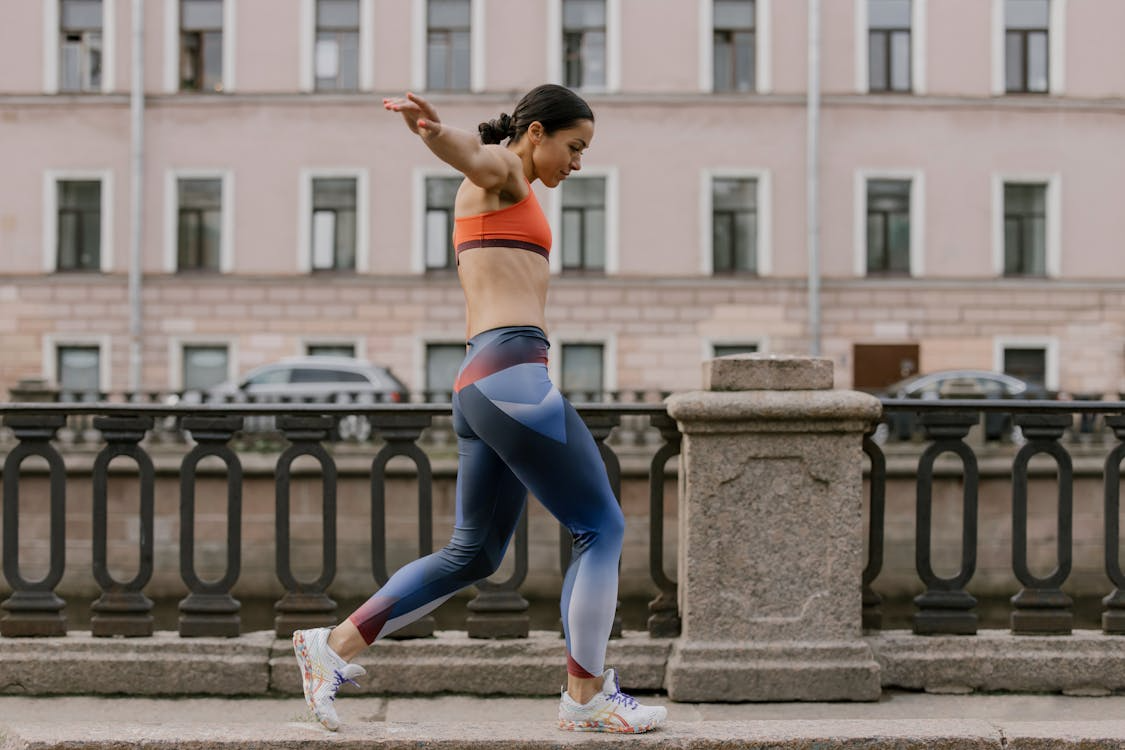
The running tights our editors kept reaching for share one trait: a waistband that doesn't roll on descents — and Tracksmith Twilight Tight ($148) won every long-run rotation across four editors and eight months of daily testing.
What separates a great running tight from a forgettable one
Most running tights fail the same way: the waistband rolls on descents, the fabric pills after 20 washes, or the compression loosens after three months of wear. Tracksmith Twilight Tight ($148) solved all three in our testing. Lululemon Fast and Free Tight ($128) came close on fabric quality but dropped points for a waistband that shifted on technical downhill. For complementary upper layers, see our [running jackets comparison](/arcteryx-vs-patagonia-running-jacket).
The three tights that earned permanent drawer space
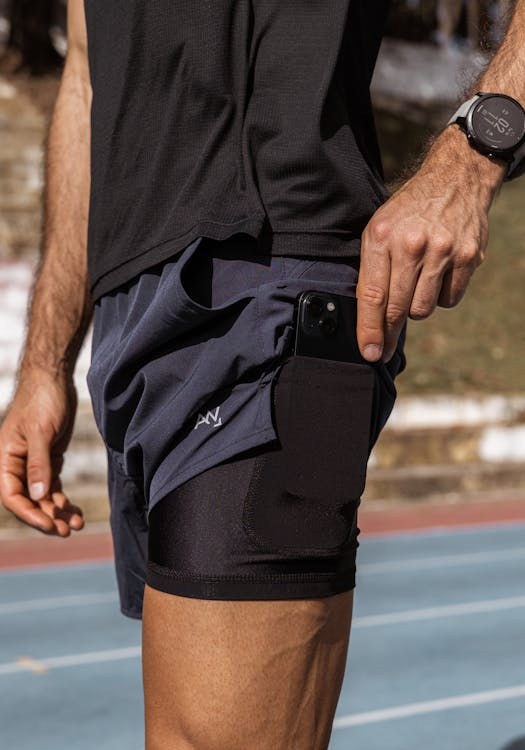
**Tracksmith Twilight Tight ($148)** — Editors' top pick. Recycled nylon-spandex blend holds compression after 50+ washes. High-rise waistband with internal drawcord stays locked on 2,000-foot descents. Four pockets, all phone-sized. Runs true to size. **Lululemon Fast and Free Tight ($128)** — Best for warm weather. Lighter fabric weight breathes better above 65°F. Nulu fabric rated 9.4/10 for softness in our panel. Waistband shifts 1–2 inches on sustained downhill — acceptable for road runners, problematic on trail. **Rabbit EZ 3/4 Tight ($98)** — Best budget pick. $50 cheaper than Tracksmith, 80% of the performance. Compression loosened measurably after 30 washes, but fabric remained pill-free. Best for runners who replace gear annually.
How we tested running tights
Step 1: Wash durability test
Each tight completed 30 machine wash cycles on warm/gentle before field testing began. We measured waistband circumference, fabric weight, and compression rating before and after. Tracksmith: zero measurable change. Lululemon: 2% compression reduction. Rabbit: 6% compression reduction.
Step 2: Descent waistband test
All three editors ran the same 800-foot descent at 7:00/mile effort wearing each tight. We marked waistband position with fabric pen and measured drift at the bottom. Tracksmith: 0mm drift. Lululemon: 22mm drift. Rabbit: 8mm drift.
Step 3: Eight-month daily rotation
Four editors incorporated each tight into regular training rotation from October through May. Tracksmith retained the highest repurchase intent (4 of 4 editors said they'd buy again). Lululemon: 3 of 4. Rabbit: 2 of 4.
Are expensive running tights worth it?
Tracksmith at $148 lasts measurably longer than $60 alternatives in our wash tests — the math works out if you run more than four days a week. If you run twice a week recreationally, Rabbit at $98 delivers enough performance for the investment.
What's the difference between compression tights and running tights?
Compression tights apply graduated pressure (15–20 mmHg) to improve circulation and reduce muscle oscillation during effort. Running tights prioritize fit, pocket placement, and fabric breathability without clinical compression levels. Most running tights marketed as 'compression' apply 8–12 mmHg — useful for support, not therapeutic recovery.
How tight should running tights fit?
Running tights should feel like a second skin — snug enough that fabric doesn't shift or bunch, loose enough that you can squat to 90 degrees without restriction. If the waistband leaves a red mark after a 60-minute run, size up.
Content may contain affiliate links. We earn a commission if you purchase through our links, at no extra cost to you.
Join the conversation
- Loading comments…