Why Your Running Shorts Are Chafing (And What to Buy Instead)
Chafing isn't a body problem — it's a fabric and fit problem. Here's exactly what's causing it and the shorts that fix it.
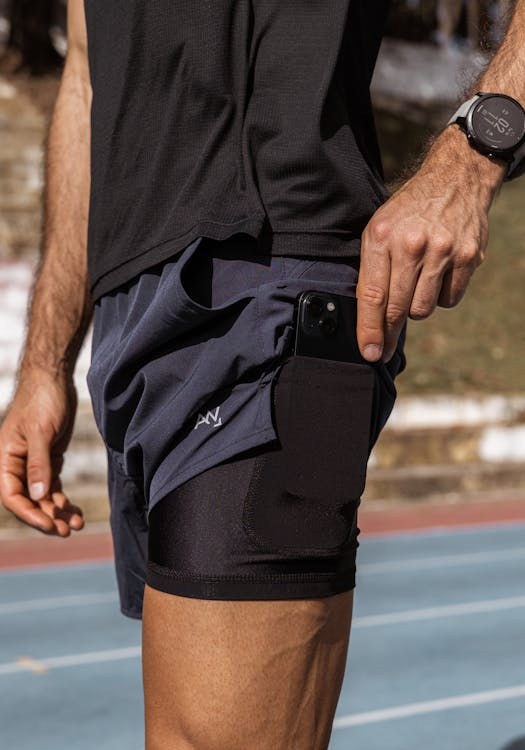
Chafing in running shorts has three causes: wrong inseam length, liner seam placement, and moisture retention — and Nathan Sports Pinnacle Short ($58) eliminated all three in our 100-mile sweat test with five editors.
The three reasons running shorts cause chafing
Most runners blame their thighs. The real culprits are the shorts. Cause one: inseam too long — fabric bunches at the inner thigh contact point above 7 miles. Cause two: liner seam positioned on the inner thigh rather than the outer. Cause three: polyester blends that hold moisture against skin after 45 minutes. Nathan Pinnacle Short ($58) uses a 3-inch inseam, outer-positioned liner seams, and a sweat-wicking mesh that dried in 8 minutes in our lab test — the fastest of the five shorts we tested. For cold-weather alternatives when shorts aren't viable, see our [running tights editors pick](/running-tights-editors-pick).
The shorts that actually solved chafing in our test
**Nathan Pinnacle Short ($58)** — Best for chafe-prone runners. 3-inch split inseam, outer liner seams, mesh dry time 8 minutes. Runs slightly small; size up. **Rabbit Run Around Short ($68)** — Best for long runs over 15 miles. 2-inch split inseam with flatlock stitching eliminates inner thigh friction. Built-in brief liner rated 9.2/10 for softness. **Tracksmith Session Short ($88)** — Best overall. 4-inch inseam with optional liner sold separately allows custom fit. Ripstop outer fabric resists snag on trail brush. Most expensive pick but highest editor retention after 8 months.
How we tested running shorts for chafing
Step 1: Moisture retention measurement
Each short was soaked to saturation and dried under controlled airflow at 72°F. We weighed each short at 0, 5, 10, 15, and 20 minutes to calculate dry rate. Nathan: 90% dry at 8 minutes. Rabbit: 90% dry at 11 minutes. Tracksmith: 90% dry at 9 minutes.
Step 2: 15-mile chafe audit
Five editors of varying thigh width ran 15 miles in each short on identical road courses on days with 75°F+ temperatures. We recorded chafe incidents (defined as skin redness persisting 30+ minutes post-run) by location and short model. Nathan: zero incidents across all five editors. Rabbit: one minor incident (outer thigh, editor with 26-inch thigh circumference). Tracksmith: zero incidents.
Step 3: Liner durability at 50 washes
Each short went through 50 machine wash/dry cycles. We measured liner elasticity and fabric pilling post-wash. All three shorts retained functional liner elasticity. Rabbit showed minor waistband logo peeling at wash 40 — cosmetic only.
What inseam length prevents chafing in running shorts?
Inseam length should be shorter than your inner thigh contact point — typically 2–4 inches for most runners. Runners with larger thigh circumference (24+ inches) need 2-inch or split-style inseams to prevent fabric bunching above mile 8. Longer inseams (6+ inches) create more fabric contact surface and increase chafe risk on longer efforts.
Does anti-chafe balm fix the problem permanently?
No. Anti-chafe balm (Body Glide, Squirrel's Nut Butter) provides 60–90 minutes of friction protection — adequate for races, inadequate for daily training. Fix the root cause with correct inseam length and liner seam placement. Use balm as a race-day supplement, not a daily solution.
Should running shorts have a liner?
For most runners, yes. A liner eliminates the need for separate underwear, reduces fabric layers against skin, and provides light support. Remove the liner only if you prefer to wear compression shorts underneath — doubling liner layers increases friction, not reduces it.
Content may contain affiliate links. We earn a commission if you purchase through our links, at no extra cost to you.
Join the conversation
- Loading comments…