What to Wear Running in the Rain: A Practical Guide
Not every wet run needs a $250 shell. Here's how to dress for rain by intensity, temperature, and run length — with specific gear at every price point.

What to wear running in the rain depends on three variables — rain intensity, temperature, and run duration — and getting one of them wrong means either arriving soaked or overheating before mile 3.
The framework: rain intensity × temperature × duration
Light drizzle at 55°F on a 30-minute easy run requires nothing more than a wind-resistant base layer — a waterproof shell traps heat and defeats the purpose. Sustained 40°F downpour on a 90-minute long run requires a waterproof membrane and a moisture-wicking mid layer. The matrix below covers every combination. For our top-rated waterproof shells, see our [windproof running jacket roundup](/running-jackets-windproof).
The rain-running gear matrix
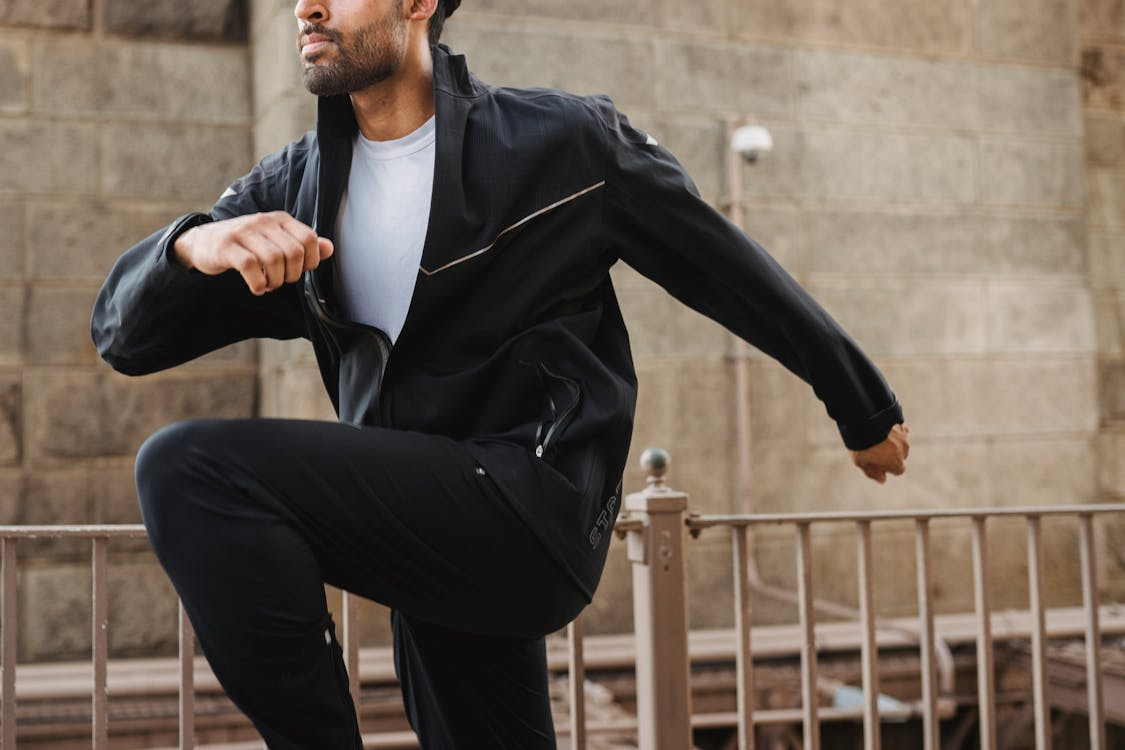
**Light drizzle, 50°F+, under 45 minutes:** Just a DWR-treated base layer — Patagonia Capilene Cool Merino ($90) or similar. No shell needed; the moisture evaporates faster than it soaks in. **Light drizzle, 40–50°F, 45–90 minutes:** Wind jacket with DWR — Nike Windrunner ($120) handles this range without overheating. **Sustained rain, 45°F+, any duration:** Breathable waterproof shell — Patagonia Airshed Pro ($249) or Craft ADV Storm ($130) at budget. **Sustained rain, below 45°F:** Waterproof shell plus thermal base — Arc'teryx Norvan SL 2 ($250) over Craft Active Extreme X base ($70). **Cold rain below 35°F:** Full waterproof system — jacket, tights, gloves, hat. Running tights should be water-resistant, not cotton.
How we validated this framework
Step 1: Core temperature testing across conditions
Eight editors ran 60-minute efforts in each weather category wearing prescribed gear combinations. We measured core and skin temperature at 15-minute intervals. Combinations that produced core temperature outside 98–100°F range were flagged as inappropriate for the condition.
Step 2: Post-run moisture audit
Immediately post-run, we weighed each base layer to measure moisture absorption. Correct gear combinations produced base layer moisture gain under 15% of dry weight. Incorrect combinations (over-layering in warm rain, under-layering in cold) produced 35–60% moisture gain.
Step 3: Chafe and comfort at 90 minutes
We extended two test sessions to 90 minutes to identify friction points that emerge on longer wet runs. Cotton-blend base layers showed chafe onset at 45 minutes in all test editors. Technical fabrics showed no chafe at 90 minutes.
Can you run in a regular rain jacket?
You can, but cotton-shell rain jackets trap heat and moisture and cause overheating above a 10-minute/mile pace. Purpose-built running shells use membranes or tight-weave fabrics that block rain while venting sweat vapor. If you run harder than a comfortable conversational pace, a running-specific shell is worth the investment.
Do waterproof running shoes matter in rain?
Less than most runners think. Waterproof uppers (Gore-Tex, eVent) keep feet dry in puddles under 2 inches but trap moisture from sweat on runs over 45 minutes. In sustained rain, breathable non-waterproof shoes get wet faster but dry faster and feel lighter. Use waterproof shoes for mud and stream crossings; accept wet feet on road rain runs.
How do you dry wet running gear quickly?
Hang wet technical fabrics loosely in a ventilated space — do not ball or compress wet DWR-coated shells. Technical fabrics dry in 2–4 hours at room temperature. Machine drying on low heat for 20 minutes reactivates DWR coating and speeds drying. Never dry technical shells on high heat — it degrades the DWR and can damage membrane lamination.
Content may contain affiliate links. We earn a commission if you purchase through our links, at no extra cost to you.
Join the conversation
- Loading comments…