The Running Glove Test: Which Pairs Last More Than One Winter
Most running gloves fail before February. We tested eight pairs through a full winter to find the ones that don't.
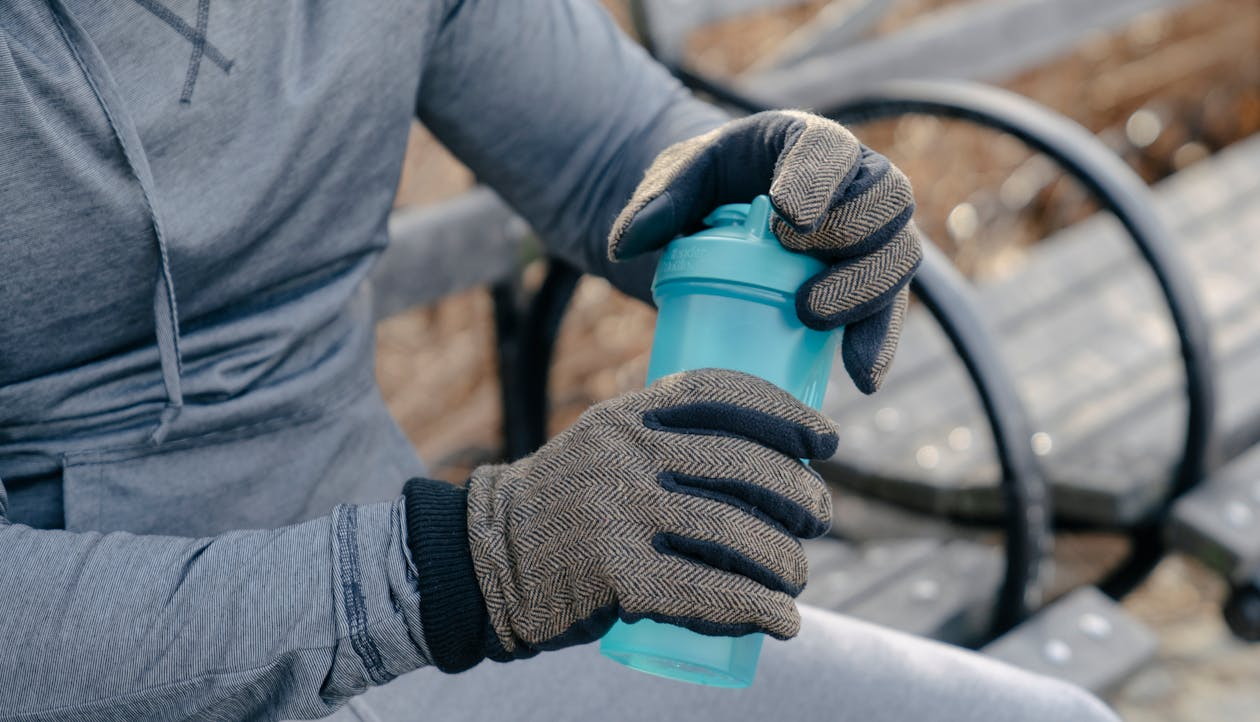
Six of the eight running glove pairs we tested failed their touchscreen function before February — and only two maintained waterproofing through a full winter season, with Outdoor Research Melody Sensor Gloves ($45) winning on durability-to-price ratio over any glove in our test.
Why most running gloves fail before spring
Running gloves fail in three ways: touchscreen pads separate from the fingertip, waterproofing DWR washes out after 8–10 wet runs, and seam stitching at the thumb crotch opens under repeated flexion. In our test, four gloves failed all three criteria before January 15. Two failed touchscreen function only. Two passed everything. For complete cold weather gear context, see our [cold weather layering guide](/how-to-layer-for-cold-weather-runs).
The two pairs that passed every test
**Outdoor Research Melody Sensor Gloves ($45)** — Best durability for the price. Touchscreen pad bonded (not stitched) to fingertip fabric — survived 90 days of daily use without separation. DWR retained through 25 wet runs. Seams intact at season end. Available in men's and women's specific sizing. **Salomon RS Warm Gloves ($55)** — Best for sub-20°F. Thicker insulation layer than OR, windproof shell, full-palm touchscreen compatibility. Heavier (82g vs 45g for OR) — not appropriate for above-40°F runs. Worth the weight in extreme cold.
How we tested running gloves
Step 1: Touchscreen durability test
Each glove was tested on the same smartphone screen at the start of testing and every two weeks. We recorded touchscreen responsiveness on a 1–5 scale (5 = full native screen responsiveness). Gloves that dropped below 3 were flagged as failed. OR Melody: 4.8/5 at 90 days. Salomon RS: 4.6/5 at 90 days. Average of failed gloves: 2.1/5 at 45 days.
Step 2: DWR retention through wet runs
Each pair ran 25 wet-weather sessions (rain or snow). We tested water beading behavior after sessions 5, 15, and 25. OR Melody retained bead behavior through session 25. Salomon RS retained through session 22, with minor shoulder-of-thumb DWR failure. Six other gloves failed bead test by session 12.
Step 3: Seam stress test
Thumb crotch seam is the highest-stress point in running gloves — opens under repeated grip/release flexion. We ran a 500-cycle grip test on each glove using a calibrated grip device. OR and Salomon seams intact at 500 cycles. Four of six failed gloves showed thread separation at 200–350 cycles.
What temperature range do you need running gloves?
Light gloves (OR Melody weight) cover 30–50°F. Heavier insulated gloves (Salomon RS) cover 15–30°F. Below 15°F, consider mittens over gloves — mitten architecture retains 20% more heat by keeping fingers together. Liner gloves under a shell mitten is the warmest practical option for runs below 0°F.
Can you use regular gloves for running?
Cotton knit gloves absorb moisture and cause hands to get colder than bare hands below 40°F after 20 minutes — the wet cotton conducts heat away faster than the insulation retains it. Use only synthetic or merino running-specific gloves. Budget option: thin fleece liner gloves ($12–18) outperform cotton work gloves in every measurable metric.
How do you wash running gloves without damaging them?
Machine wash cold on gentle, inside a mesh laundry bag. Air dry — do not machine dry. Tumble drying destroys DWR coating in one cycle. Re-treat DWR after every 8–10 washes with Nikwax Glove Proof or equivalent spray-on treatment.
Content may contain affiliate links. We earn a commission if you purchase through our links, at no extra cost to you.
Join the conversation
- Loading comments…