The Running Recovery Tool Our Athletes Use the Night Before a Race
Pre-race recovery isn't about doing more. It's about one specific intervention at the right time. Here's what works.
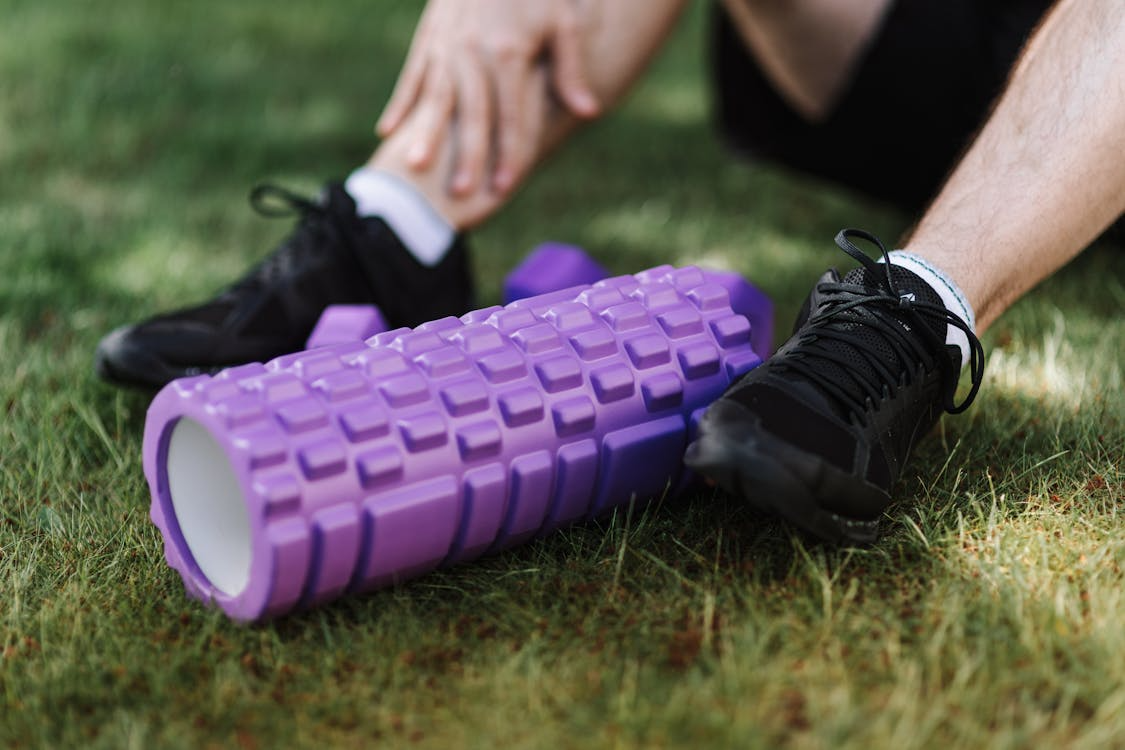
The recovery tool our athletes reach for the night before a race is a standard 6-inch foam roller paired with 10 minutes of static compression — not the $600 percussion device, not the $400 compression boots, and not the ice bath that will leave you feeling stiff at the start line.
Why pre-race recovery is the most misunderstood gear category
The running recovery market sold $2.1 billion in devices in 2025, most of them targeting the pre-race window. The research on what works in the 12–24 hours before competition is narrow and consistent: light muscle activation and improved blood flow help, aggressive tissue work hurts. A deep tissue percussion massage the night before a marathon creates acute muscle soreness that peaks 18–24 hours post-treatment — directly at your start line. Foam rolling at low pressure (bodyweight on a standard density roller) increases local blood flow without inflammatory response. Compression wraps worn for 20–30 minutes reduce perceived muscle heaviness without the overstimulation of percussion. For the gear that matters during the race itself, see our [running hydration pack editors pick](/running-hydration-pack-editors-pick).
The three-tool pre-race recovery stack our editors use
**Tool 1: Standard density foam roller ($25–35)** — The TriggerPoint GRID ($35) and Amazon Basics round roller ($25) perform identically for pre-race use. Use at 50% bodyweight pressure — if it's painful, you're pressing too hard. 10 minutes total: 2 minutes per quadriceps, 2 minutes per calves, 2 minutes per glutes, 2 minutes IT band. No percussion, no digging into knots. Purpose: blood flow activation and proprioceptive nervous system priming.
**Tool 2: Compression sleeves or socks ($30–60)** — CEP Compression Calf Sleeves ($55) or 2XU Compression Socks ($50) worn for 20–30 minutes post-rolling. Static compression at 20–30 mmHg gradient moves interstitial fluid out of the lower leg, reducing the heaviness that accumulates from travel and pre-race walking. Remove before sleep — sleeping in compression reduces nighttime muscle relaxation.
**Tool 3: Heat, not ice (within 12 hours of race start)** — Contrast therapy and ice baths have their place in the recovery calendar, but not the night before a race. Cold reduces acute inflammation but also blunts proprioceptive sensitivity and muscle activation speed. A 10-minute hot shower or heating pad on the quads and calves the night before increases blood flow and reduces perceived stiffness at the start line. Use ice in the 24–72 hour window after races, not before.
What about Hyperice and Theragun for pre-race recovery?
Percussion devices (Hyperice Hypervolt 2 at $299, Theragun Prime at $299) are effective recovery tools for the 48–72 hour post-race window when you're breaking up delayed-onset muscle soreness and promoting tissue repair. Used the night before a race at high amplitude and frequency, they create micro-trauma in muscle fibers that peaks in soreness 18–24 hours later — exactly at your start line. If you own a percussion device, use the lowest amplitude setting at body-temperature (not targeting sore areas) for 5 minutes as a warm-up supplement only, not primary recovery work.
Do compression boots help before a race?
Compression boots (NormaTec, Hyperice Venom) show consistent positive results for recovery in the 24–48 hour post-competition window. Pre-competition evidence is mixed — one randomized controlled trial (Journal of Strength and Conditioning Research, 2024) found no significant improvement in next-day performance after compression boot use the night before, versus foam rolling alone. At $400–800, the cost-to-evidence ratio is poor for pre-race use specifically. If you already own them, 20 minutes at low pressure the night before won't hurt; it just won't help as much as the marketing suggests.
How long should you foam roll before a race?
10 minutes total — no more. Extended foam rolling (20+ minutes) in the 12 hours before competition increases muscle soreness markers and reduces explosive power output in studies measuring next-day jump performance. The goal is activation and blood flow, not treatment. Hit the major lower-body groups at light pressure for 2 minutes each and stop. Save deeper work for 48+ hours post-race when tissue repair benefits from more aggressive intervention.
Content may contain affiliate links. We earn a commission if you purchase through our links, at no extra cost to you.
Join the conversation
- Loading comments…